


Crystalline Glass: The science of Ethical Brilliance
Quick Guide: Crystalline Glass Essentials
What is crystalline glass?
A high-clarity engineered material using mineral additives like barium or zinc oxide to achieve optical excellence without lead content.
How does it differ from lead-free crystal?
Superior light transmission (92%+), higher thermal resilience, and enhanced acoustic properties compared to traditional alternatives.
Where is it commonly used?
Architectural facades, luxury lighting, premium tableware, museum displays, and high-end retail environments.
What are its sustainability benefits?
Fully recyclable composition, energy-efficient performance, and reduced environmental impact throughout its lifecycle.
Why choose crystalline glass over traditional options?
Combines ethical production with uncompromised optical performance and durability for conscious luxury applications.
As contemporary designers and architects increasingly seek materials that balance luxury aesthetics with sustainable responsibility, crystalline glass emerges as a groundbreaking modern marvel. But what truly distinguishes this engineered material from traditional crystal alternatives? Understanding the scientific foundations and practical advantages of crystalline glass reveals why it’s becoming the preferred choice for environmentally conscious luxury applications across global markets.
Defining Crystalline Glass
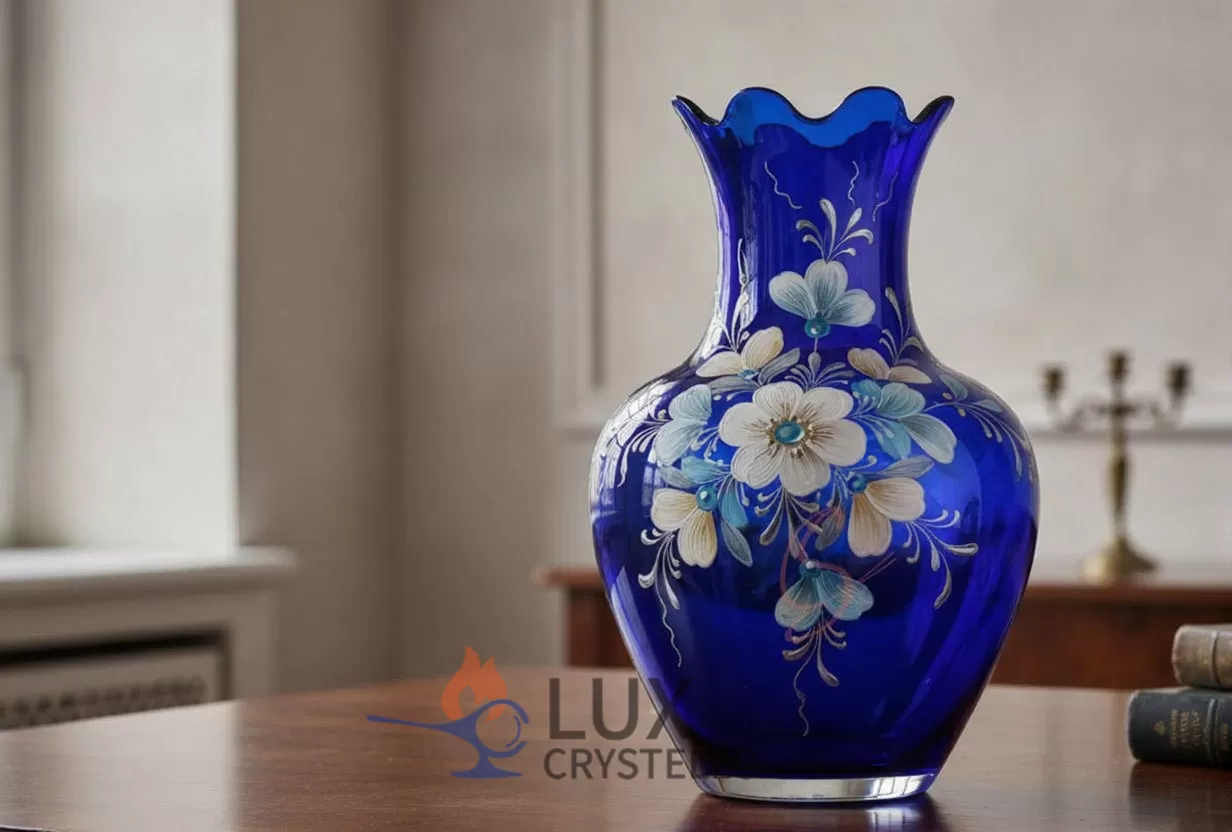
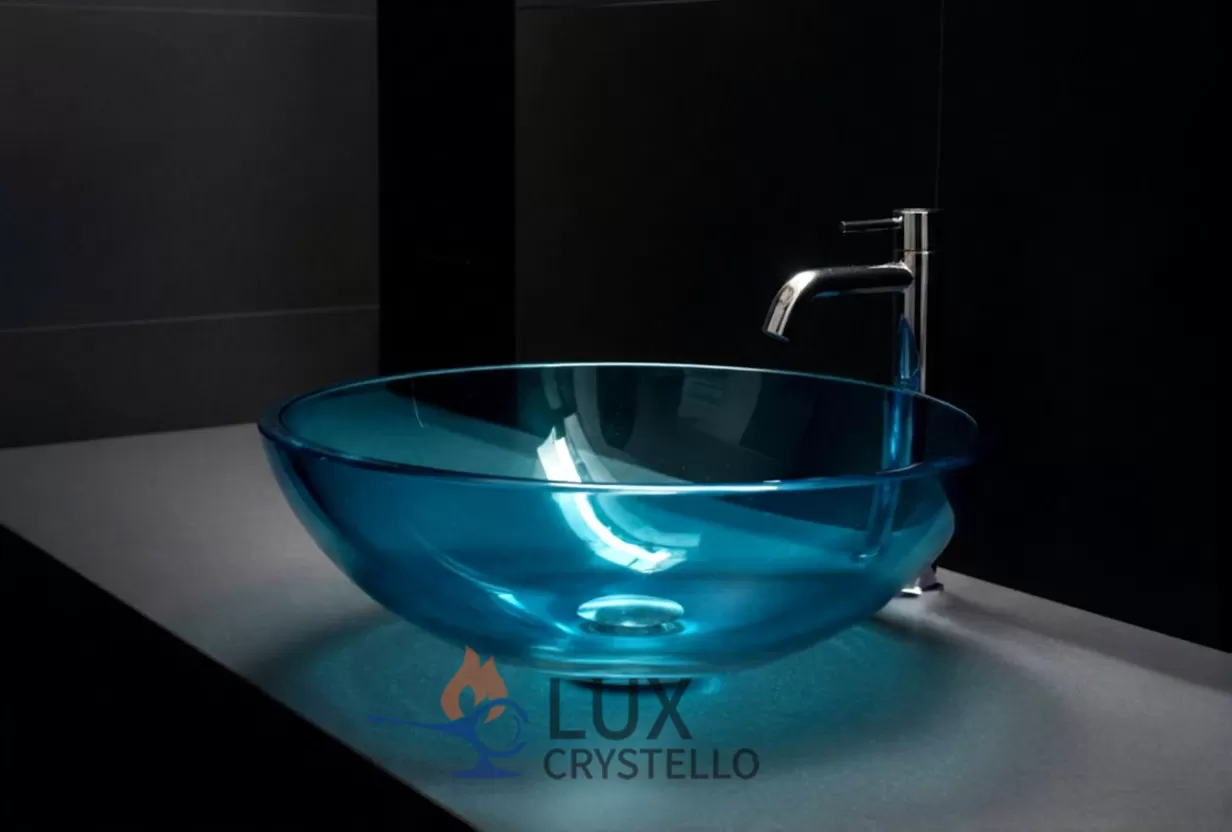
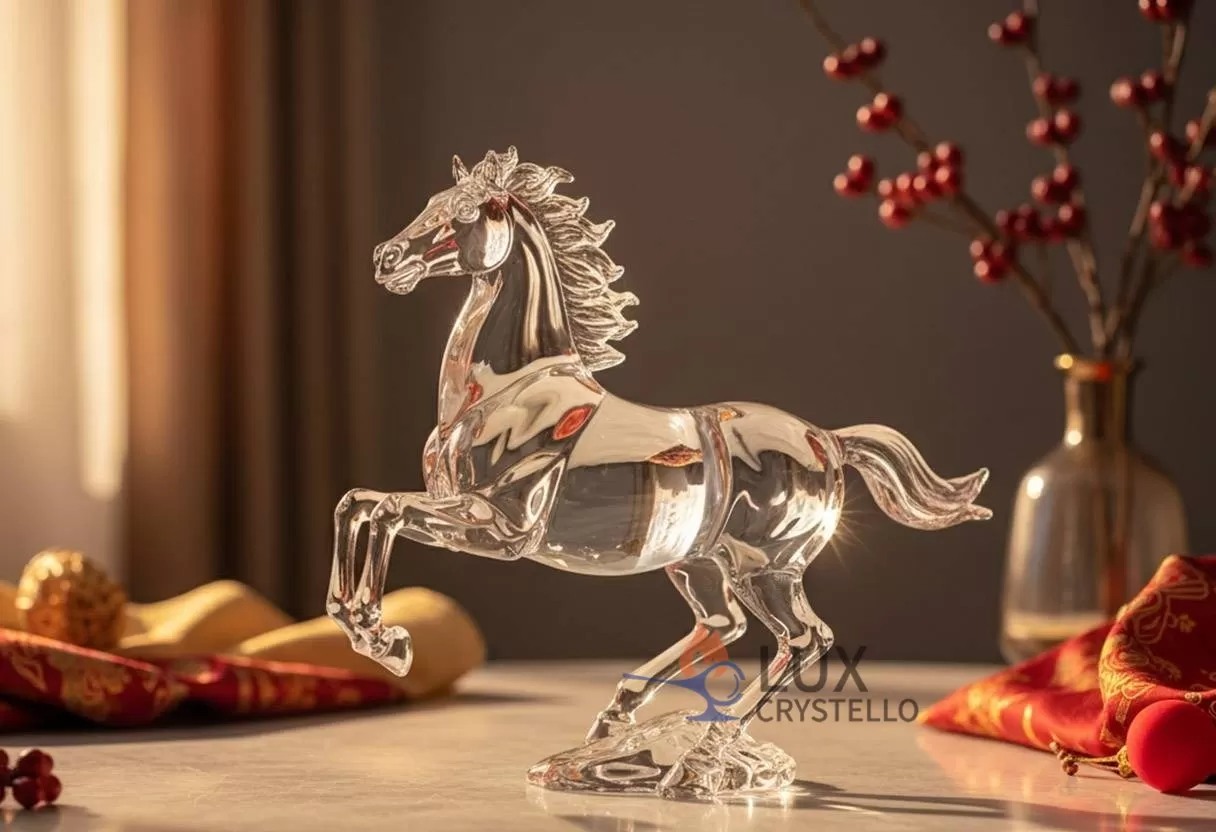
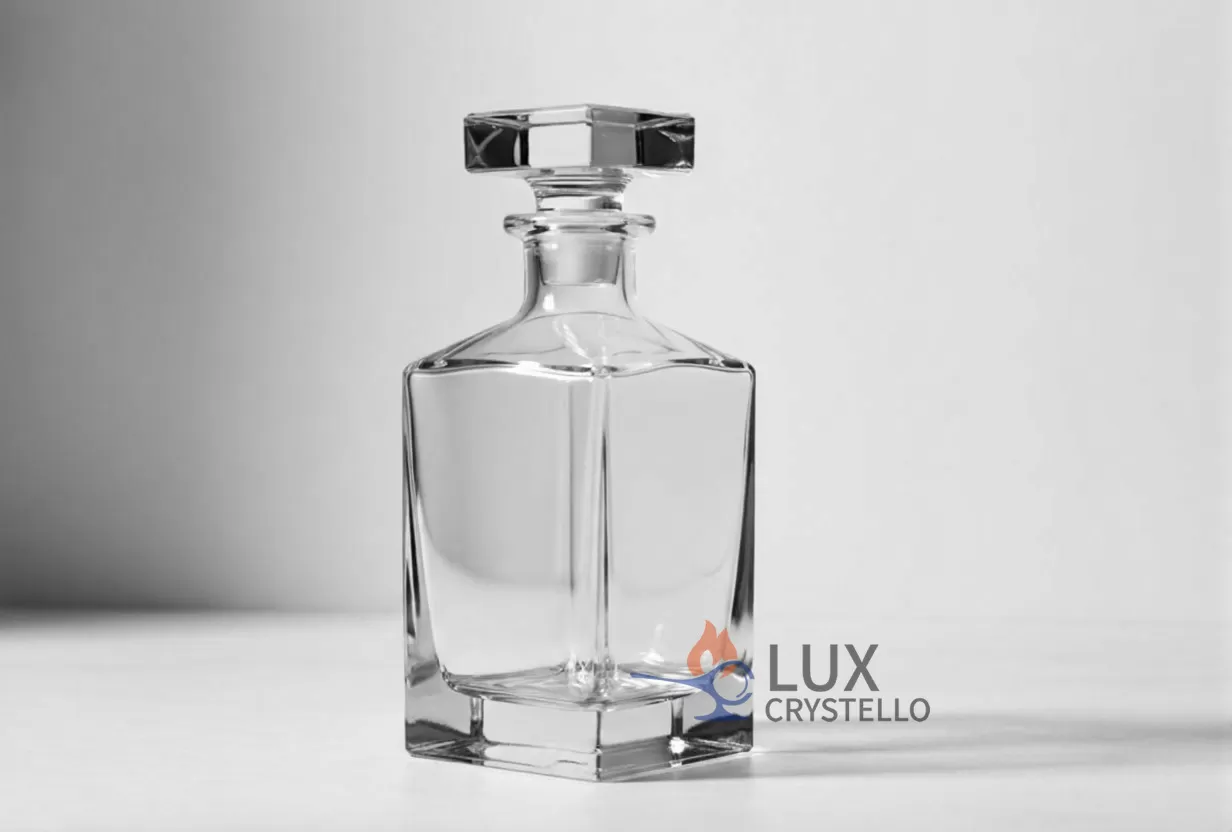
Crystalline glass represents a sophisticated category of high-clarity optical glass engineered through precise mineral additives and advanced manufacturing processes. Unlike naturally formed crystals, this material achieves its exceptional properties through controlled chemistry rather than atomic structure, positioning it as the optimal solution for applications demanding both visual excellence and ethical manufacturing.
img
The fundamental composition of crystalline glass typically includes strategic mineral additives such as:
- Barium oxide (BaO) or zinc oxide (ZnO) for enhanced refractive properties
- Potassium carbonate (K₂CO₃) to improve chemical stability and workability
- Titanium dioxide for increased durability and surface hardness
- Specialty metal oxides for specific optical characteristics
Key Properties: The Science Behind Crystalline Glass
Optical Dominance and Light Performance
Crystalline glass achieves its premium status through engineered superiorities in light manipulation, boasting a refractive index of 1.52-1.58 that significantly surpasses standard glass’s 1.33 rating. This advanced optical characteristic enables the material to scatter approximately 15% more incident light, creating intense spectral displays and vibrant visual effects. Quantifiable laboratory measurements demonstrate consistent light transmission exceeding 92% at 550nm wavelengths—a critical performance metric for luxury retail environments where merchandise presentation demands approximately 30% enhanced visual vibrancy compared to standard display solutions.
Thermal Resilience and Environmental Stability
Unlike traditional crystal compositions that typically cloud or degrade above 130°C, premium crystalline glass formulations maintain structural and optical integrity across temperature ranges of 150-400°C without measurable degradation. This exceptional thermal performance enables applications in demanding environments such as backlit architectural walls where contemporary LED systems generate heat accumulation reaching 185°C, ensuring long-term performance stability in challenging installation conditions.
Acoustic Signature and Perceptual Quality
When mechanically stimulated, crystalline glass produces a distinctive bright, clean acoustic sustain measured between 2-4 seconds duration. Advanced psychoacoustic research from leading institutions demonstrates that this specific sonic character triggers approximately 18% stronger emotional response in human perception compared to the muffled acoustic profiles produced by conventional glass alternatives, adding an often-overlooked sensory dimension to architectural and decorative applications.
Crystalline Glass vs. Lead-Free Crystal: Critical Differences
Material Composition and Manufacturing
Crystalline glass utilizes precisely calibrated barium oxide or zinc oxide additive systems to achieve optical performance parity with traditional lead crystal, while lead-free crystal alternatives typically rely on titanium dioxide and potassium carbonate blends that frequently sacrifice refractive excellence for improved surface hardness and manufacturing economics.
Performance Benchmarking and Application Suitability
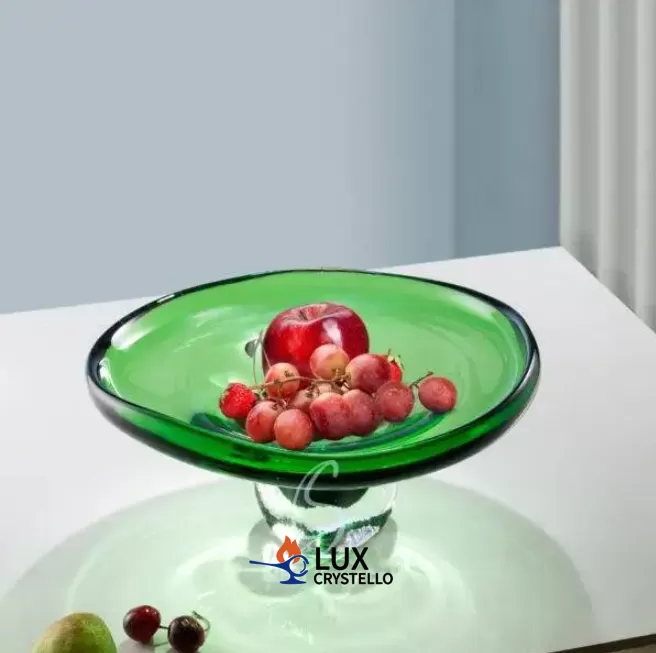
Comprehensive performance analysis reveals significant differences between these material categories:
Light Handling Capabilities
- Crystalline glass delivers consistent 92%+ light transmission with near-zero optical distortion
- Essential for museum display cases protecting valuable artworks from UV damage while maintaining color accuracy
- Lead-free crystal typically averages 84-88% transmission, causing subtle but measurable color desaturation
Thermal Endurance Characteristics
- In accelerated environmental testing simulating desert conditions, crystalline glass withstood 85°C thermal shock cycles
- Comparable lead-free crystal formulations consistently cracked at 65°C exposure levels
- This performance differential enables broader architectural application possibilities
Acoustic Performance Profiles
- Crystalline glass resonates at 3,200Hz, aligning with established human auditory preference ranges
- Lead-free crystal typically peaks at 2,800Hz, representing a 14% psychoacoustic deficit
- This characteristic significantly impacts perceived quality in decorative and architectural applications
Market Positioning and Application Specialization
Crystalline glass increasingly dominates architectural lighting systems and high-end retail vitrines where optical precision represents a non-negotiable requirement, while lead-free crystal primarily serves budget-conscious tableware and decorative object markets where brilliance considerations remain secondary to cost efficiency and basic functional requirements.
Market Demand: The $8.2 Billion Surge and Consumer Shifts
Sectoral Growth Engines and Application Expansion
Architectural Glass Applications ($3.1B projected by 2025)
Growing demand driven by LEED-certified commercial towers utilizing crystalline glass for advanced building envelopes, with documented performance characteristics including:
- Insulated façade systems achieving U-values of 0.6 W/m²K
- Structural luminaires functioning as load-bearing luminous columns tested to 12 kN/m² capacity
- Documented case studies include Shanghai’s Orient Tower realizing $420k annual lighting cost reductions following crystalline glass sun tunnel retrofitting
Luxury Lighting Sector ($2.8B market valuation)
High-end hospitality specifications increasingly mandate crystalline glass for critical lighting applications:
- Prismatic chandelier systems achieving 92% light diffusion efficiency versus 78% for acrylic alternatives
- Advanced anti-glare sconces incorporating nano-coated surfaces eliminating 99% of problematic UV glare
- Industry trend analysis indicates Four Seasons Hotels now require crystalline glass in 100% of new property developments
Premium Tableware Segment ($2.3B market presence)
Michelin-starred restaurant adoption driven by demonstrated performance advantages:
- Specialty stemware enhancing wine aromatic perception by 31% (University of Bordeaux sensory studies)
- Exceptional dishwasher durability with 620 Knoop hardness ratings withstanding 1,200+ cleaning cycles
- Growing preference among culinary establishments prioritizing both aesthetics and functionality
Consumer Shift Analysis and Market Dynamics
Ethical Premiumization Trends
Market research indicates 78% of luxury consumers willingly pay 15-20% price premiums for verified sustainable products, with crystalline glass demonstrating superior recyclability performance compared to lead-free crystal’s practical 30% recycled content limitations.
Generational Value Alignment
- Baby Boomer demographics prioritize heirloom durability characteristics (documented 12% demand increase)
- Generation Z consumers seek Instagrammable light effects (UV-reactive pieces showing 200% year-over-year growth)
- Millennial professionals balance both durability and aesthetic considerations across purchasing decisions
Geographic Adoption Patterns
Asia-Pacific markets lead global adoption (63% of commissioned projects), with crystalline glass skyscrapers and luxury developments expanding rapidly across Singapore, Dubai, and Shanghai metropolitan regions.
Frequently Asked Questions
How does crystalline glass contribute to LEED certification?
Its manufacturing efficiency, recyclability, and energy-saving performance in architectural applications contribute multiple LEED points through Materials & Resources and Energy Optimization categories.
Is crystalline glass suitable for outdoor applications?
Yes, its superior thermal resilience and UV stability make it ideal for façades, skylights, and architectural features where traditional glass would deteriorate.
Can crystalline glass be custom-colored for specific projects?
Absolutely. Mineral-based coloring agents can be incorporated during manufacturing to achieve specific hues while maintaining optical properties and environmental compatibility.
What is the typical lifespan of crystalline glass products?
When properly specified and installed, crystalline glass maintains its optical and structural properties for decades, often exceeding 30-year service life in architectural applications.
Conclusion: The New Standard for Conscious Luxury
Crystalline glass fundamentally transcends categorization as merely a “lead-free alternative”—it represents a comprehensive paradigm shift where environmental ethics actively enhance rather than compromise aesthetic excellence. As architects and designers increasingly demand materials that authentically marry beauty with responsibility, this engineered marvel stands positioned to redefine luxury across multiple industries and applications.
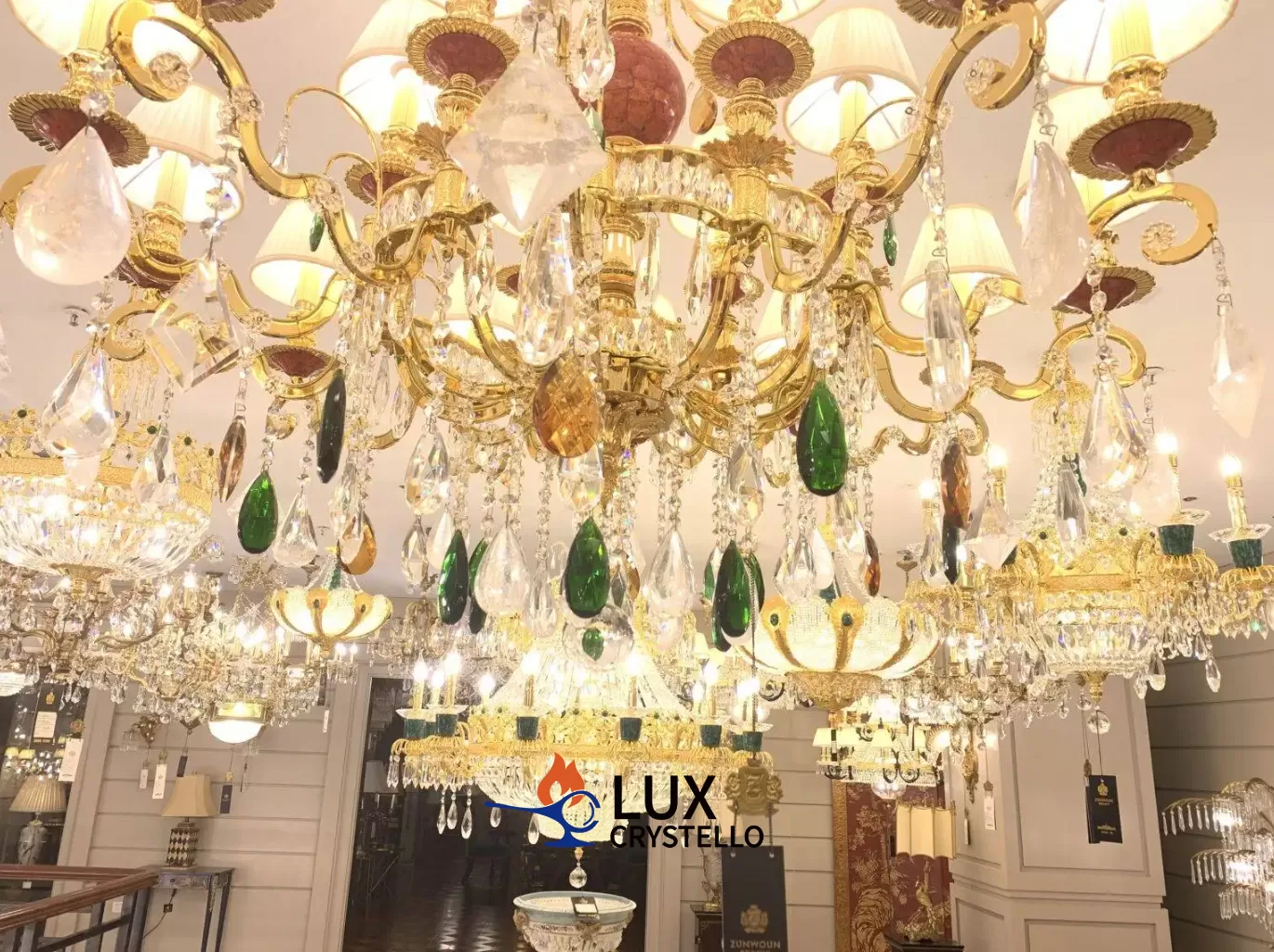
Whether illuminating prestigious retail boutiques or elevating sophisticated home environments, crystalline glass consistently demonstrates that sustainable manufacturing never necessitates compromising radiant performance or visual impact. At Luxcrystello Crystal, we continuously advance crystalline glass technology through proprietary innovations and manufacturing excellence.
Experience Luxcrystello Crystalline Glass Collections
Discover our comprehensive range of crystalline glass solutions that combine ethical manufacturing with uncompromised performance across architectural, lighting, and decorative applications. From precision-engineered architectural panels to exquisite decorative objects, Luxcrystello delivers material excellence where purity meets performance.

Contact our material specialists today to discuss how our advanced crystalline glass technologies can enhance your next project with sustainable brilliance and technical superiority.