


From Sand to Breath: Tracing the True Origin of Glass Blowing
The origin of glass blowing represents one of humanity’s most transformative artistic breakthroughs, emerging in the 1st century BC to revolutionize an ancient craft. While glassmaking dates back to approximately 3500 BC in Mesopotamia, the discovery of blowing techniques fundamentally transformed solid casting into dynamic, hollow forms. This exploration uncovers the geographic, cultural, and technical sparks that ignited humanity’s first breath into molten glass and established the foundation for modern glassblowing techniques that continue to inspire artisans today.
Where It Began: Birth in the Fires of Ancient Syria
Archaeological Evidence: Tracing the First Breaths
Archaeological research precisely pinpoints the origin of glass blowing to the coastal Syria-Phoenicia region (modern Lebanon) around 50 BC. Excavations at sites like Tel Anafa have revealed early blown bottles distinctly different from earlier core-formed or cast glass artifacts. This evolution marked a crucial shift in ancient glassmaking techniques: from shaping solid glass to inflating liquid crystal, enabling unprecedented forms and functions.

The First Glassblowers: Masters of Molten Transformation
Though no single inventor is recorded in historical documents, substantial evidence suggests:
- Phoenician glassmakers refined their techniques while producing perfume and oil containers
- Growing trade demands for cosmetics and wine vessels drove experimentation with blowpipes
- Technical accidents in workshops likely led to the revolutionary discovery
As Professor Ian Freestone (UCL) notes: “The origin of glass blowing was likely a workshop accident—a tube used to gather molten glass, blown by a curious craftsman—that unexpectedly birthed an entire industry.”
Shaping the First Hollow Flame: Primitive Tools, Lasting Genius
Early Techniques and Tools
The pioneering artisans who established the origin of glass blowing relied on remarkably effective primitive tools:
- Clay furnaces fueled by olive wood or natural gas, reaching temperatures of 1100–1200°C
- Iron blowpipes to gather “gobs” of molten glass from crucibles
- Simple shaping tools for molding and finishing the inflated forms
Early production prioritized functional vessels like slender perfume holders (unguentaria) and spherical storage jars, their thin-walled forms showcasing the nascent technique’s versatility. Critically, blowing created thin-walled, hollow vessels that were impossible to achieve with traditional casting methods.
The Technical Revolution

The origin of glass blowing represented more than a new technique—it constituted a complete reimagining of what was possible with glass. This breakthrough enabled:
- Faster production compared to labor-intensive casting methods
- Thinner walls and more delicate forms
- Greater design flexibility and artistic expression
- Increased accessibility as glass became more affordable to produce
Why Then, Why There: The Perfect Historical Storm
Converging Conditions for Innovation
Three critical conditions converged in ancient Syria to catalyze the origin of glass blowing:
| Condition | Contribution to Innovation |
|---|---|
| Geography | Coastal Lebanon’s silica-rich sands + natron deposits provided ideal raw materials |
| Commerce | Phoenician trade networks demanded portable luxury goods for export |
| Craft Heritage | Generations of ceramists and glassworkers refined pyrotechnic skills through continuous experimentation |
This unique combination transformed glass from pharaohs’ ornaments to urban merchants’ commodities, democratizing what was once an exclusive material of the elite.
Tracing the Truth: What Archaeology Confirms and Questions
Ongoing Historical Debates
While the general origin of glass blowing is well-established, archaeological evidence continues to reveal fascinating complexities:
- Egyptian excavations have uncovered potential proto-blowing artifacts dated to 150 BC
- Fragmented pieces hint at experimental air-injection methods preceding systematized practice
- Scholarly consensus consistently attributes the formalized method’s genesis to Syrian workshops
As the Corning Museum of Glass confirms: “Syrian workshops standardized the glass blowing process—spreading it to Rome by 20 AD and eventually throughout the Roman Empire.”
Conclusion: The Living Legacy of Ancient Breath
The origin of glass blowing in the Syrian sands was no mere historical accident—it represented the inevitable spark where material availability, commercial necessity, and human imagination dramatically collided. This ancient breakthrough transcended mere technique; it fundamentally redefined humanity’s relationship with fragility and form, establishing principles that would guide glass craftsmanship for millennia.
Long before factories or precise formulas, the pioneering artisans breathing life into molten silica embodied a timeless truth: true innovation thrives where refined skill dances with creative daring. Understanding the profound origin of glass blowing reveals how human ingenuity consistently fuses material, need, and chance into enduring art forms.
Inspired by Ancient Craft, Perfected by Modern Masters
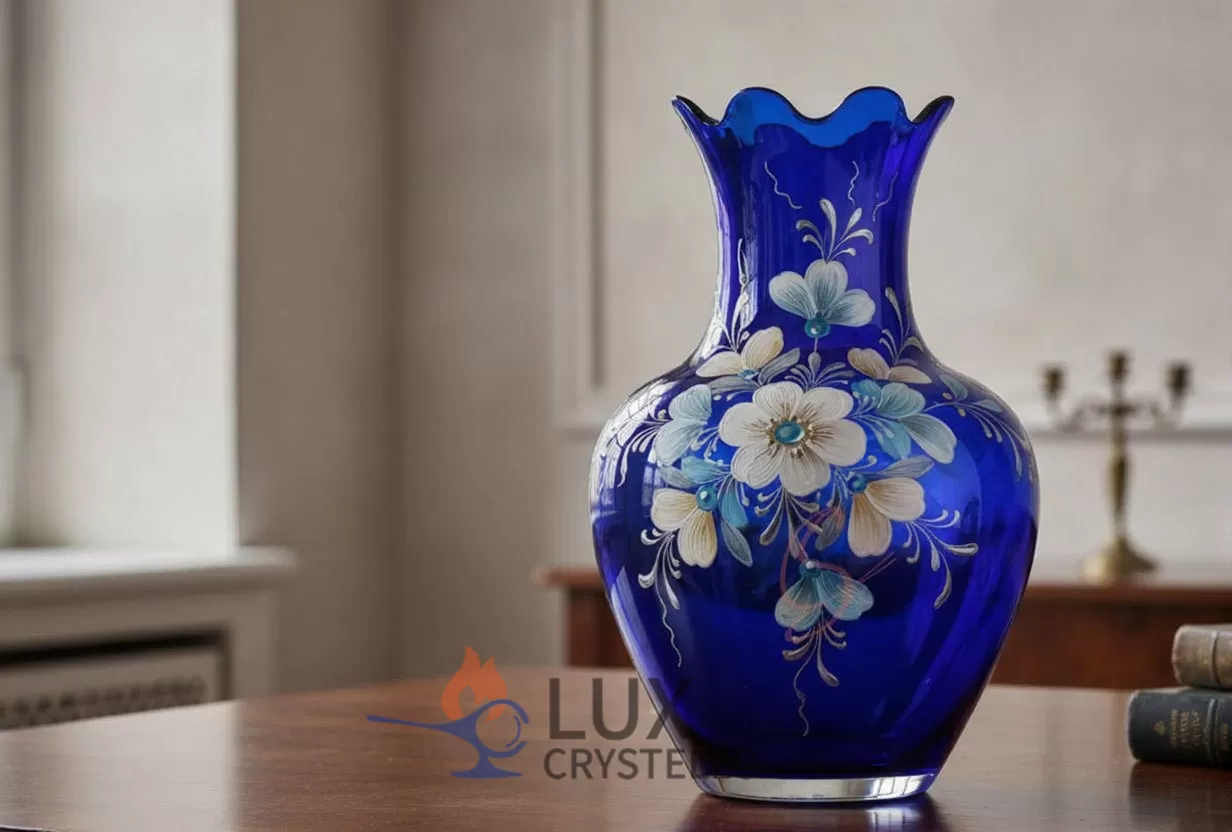
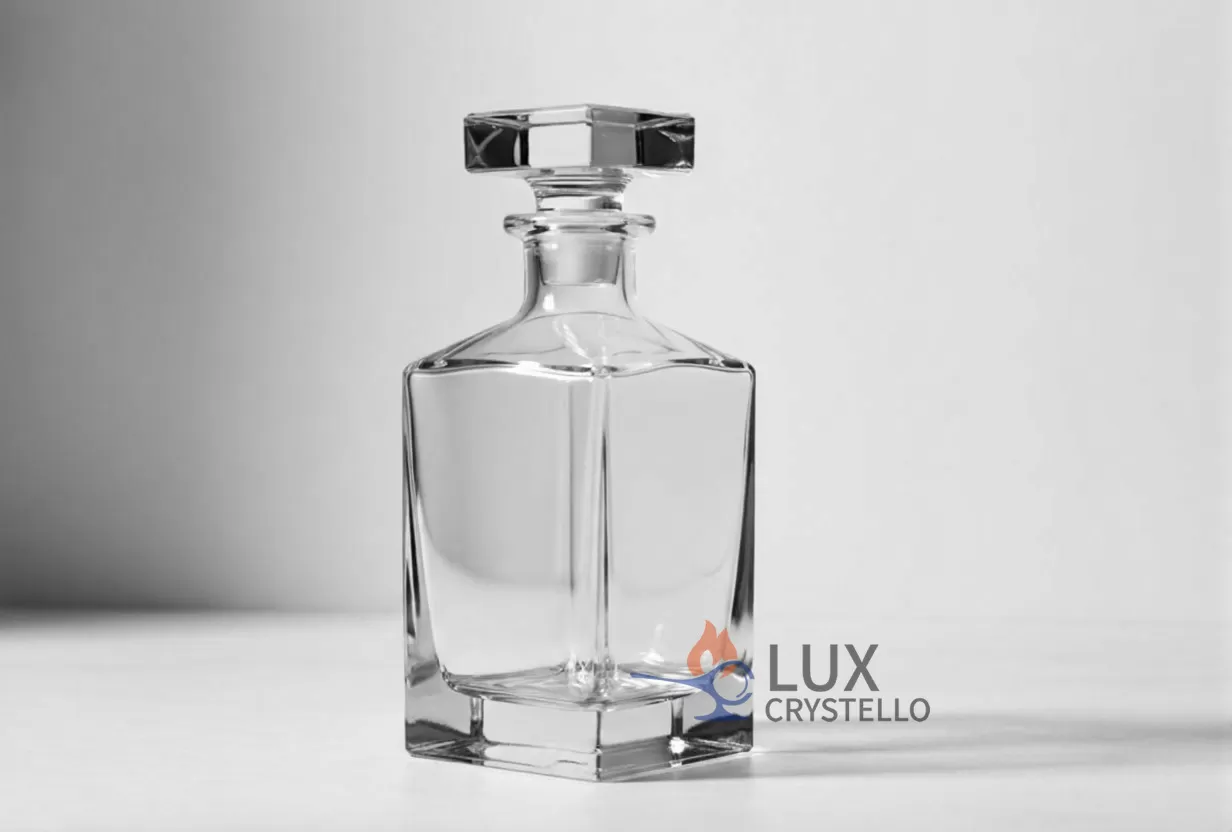
At Luxcrystello Crystal, we honor the spirit of those first glassblowers in every hand-blown crystal ornament we create. Our artisans continue the ancient tradition while incorporating contemporary design sensibilities, ensuring that each piece connects to the rich history of glass craftsmanship while speaking to modern aesthetics.
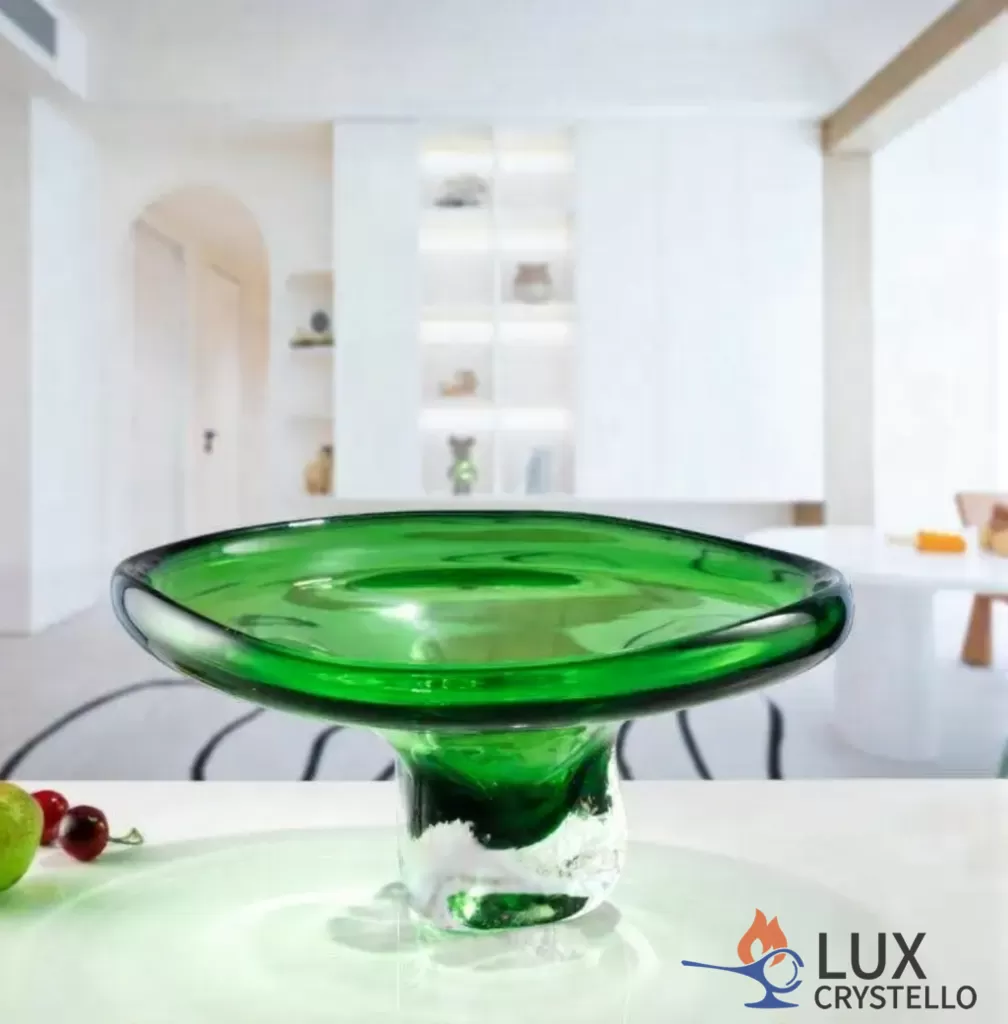
Discover our collection inspired by glassblowing’s origins and experience the timeless beauty of breath-shaped crystal. Each Luxcrystello piece continues the legendary journey that began centuries ago in Syrian workshops.