


Hot-Melted Glass Brick Texture Processing: A Complete Guide for Architects and Designers
Quick FAQ Guide
- Q: What is hot-melted glass brick texture processing?
A: It’s a specialized technique that heats glass bricks to a semi-fluid state to reshape and imprint unique, durable textures directly onto their surface. - Q: What are the main benefits for architectural use?
A: It offers design uniqueness, enhanced durability, superior light diffusion, and aligns with sustainable construction practices through material recycling. - Q: Where is this textured glass typically applied?
A: Ideal for feature walls, partitions in residential/commercial spaces, retail façades, and public installations like museums where light and privacy are key. Q: How does it differ from standard glass bricks?
A: Unlike uniform, smooth bricks, hot-melt processing creates bespoke tactile and visual patterns that are integral to the material, not just surface-applied.
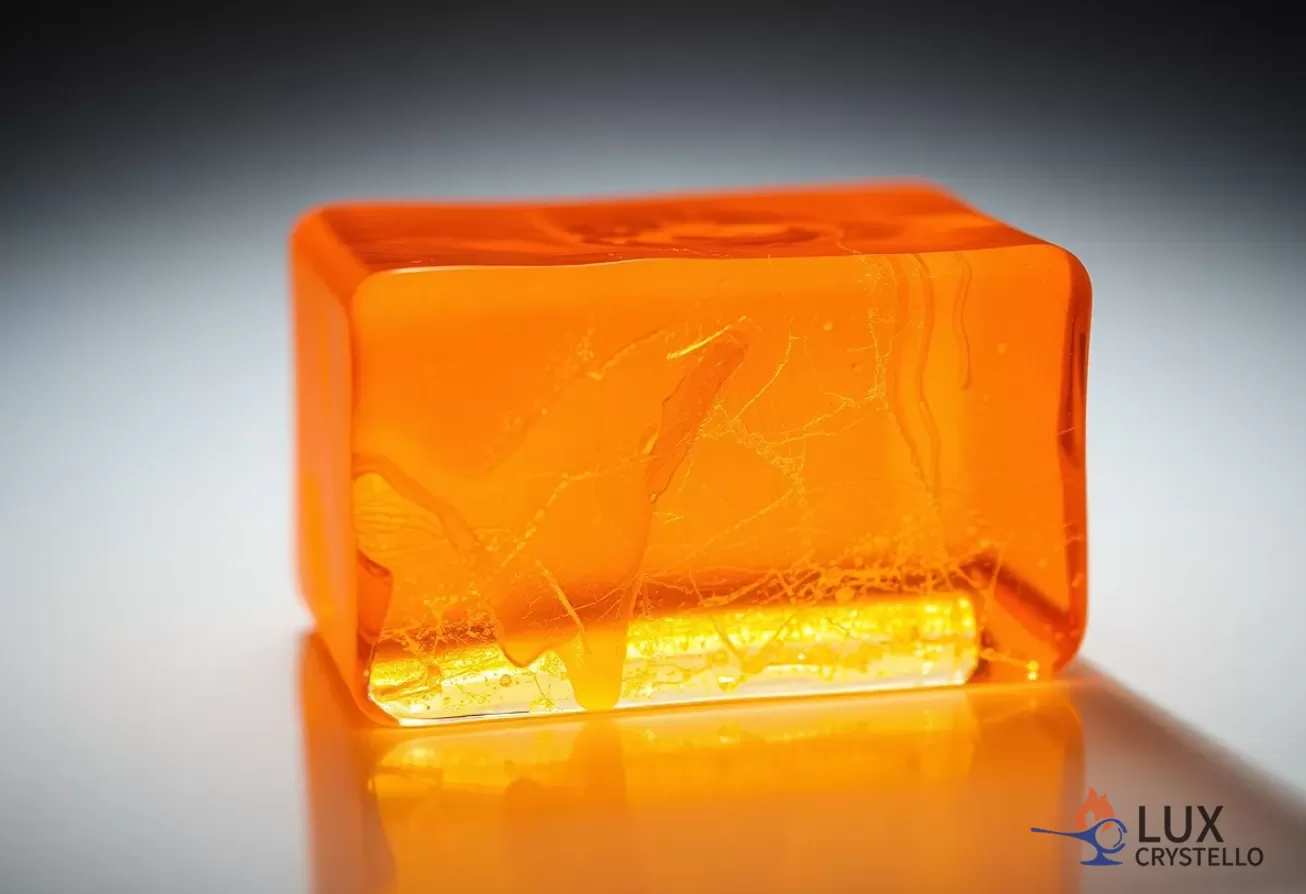
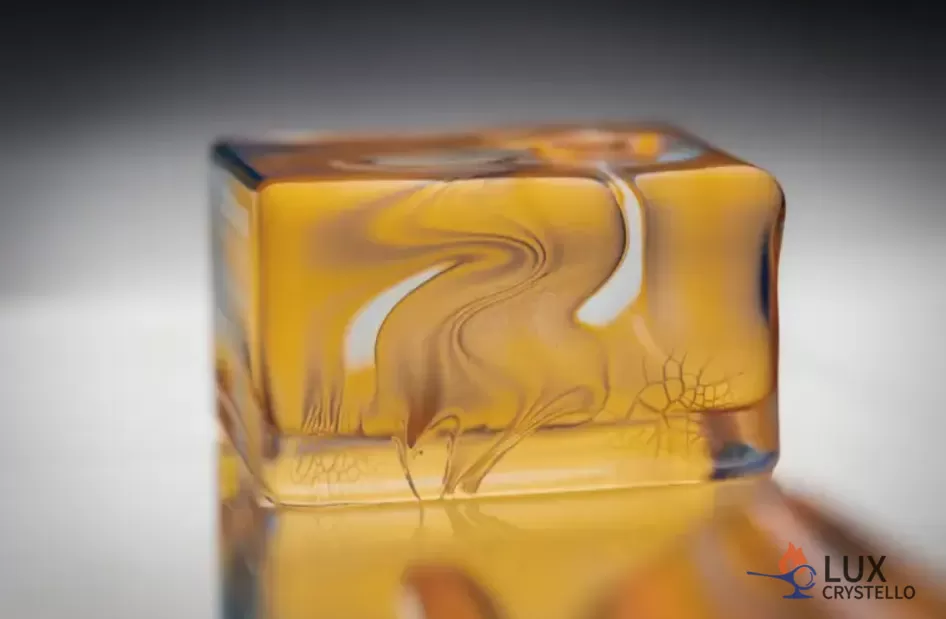
Hot-melted glass brick texture processing is a specialized method extensively employed in contemporary architecture and interior design. By utilizing high-temperature reformation and regulated surface finishing, this technique augments both the aesthetic and structural merit of glass bricks. In today’s sustainable construction landscape, comprehending how this procedure functions can assist architects, designers, and producers in attaining both artistic and practical objectives.
Defining Hot-Melted Glass Brick Texture Processing
Fundamentally, hot-melt processing entails heating glass bricks to a semi-fluid condition, subsequently reshaping or embossing textures onto their surface. In contrast to cold-pressed or machine-polished bricks, the hot-melt approach generates distinctive patterns that merge visual attraction with resilience. Textures can vary from delicate frosted finishes to pronounced ripple effects, furnishing designers with adaptable choices for creating unique walls, partitions, and ornamental elements.
Advantages for Architectural Implementation
- Design Versatility: Each hot-melt texture possesses slight variations, offering a custom “fingerprint” result that prevents monotonous repetition.
- Structural Longevity: Since textures are fused during the high-temperature phase, they withstand fading, abrasion, and environmental degradation.
- Optical Diffusion: Textured glass bricks efficiently scatter natural illumination, establishing privacy without compromising luminosity.
- Environmental Alignment: Numerous manufacturers incorporate recycled raw glass during hot-melt production, supporting eco-conscious building methodologies.
Core Processing Methodologies
- Mold Embossing: Compressing glass against a textured mold surface at elevated temperatures generates a uniform and regulated decorative pattern.
- Regulated Cooling: Gradual temperature decrease prevents internal stress, assuring stability and minimizing fracture potential.
- Surface Refinement: Post-melt applications such as acid etching or sandblasting can improve tactile quality and amplify decorative worth.
Industry Applications and Installations
- Residential Developments: Accent walls, bathroom partitions, and kitchen highlights.
- Commercial Environments: Frequently utilized in hotel lobbies, office zone dividers, and retail storefronts; it can enhance spatial delineation while emphasizing brand character.
- Public Architecture: Museums, galleries, and urban installations where visual influence and light interplay are essential.
Project Highlight: Paris Private Club
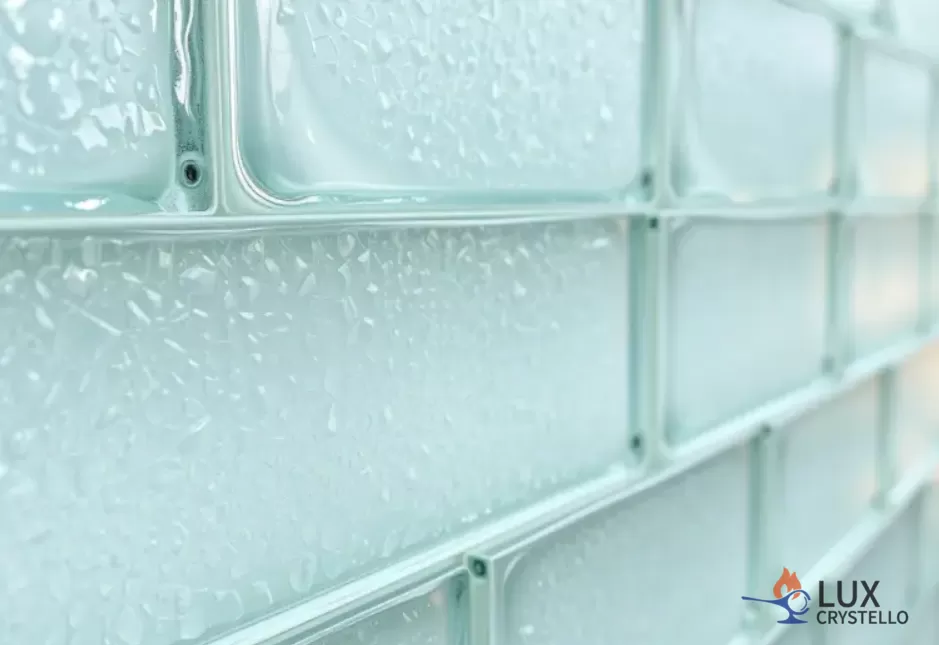
Mr. Pierre, a lounge director from a private members’ club in Paris, described how hot-melted glass brick texture processing revolutionized their principal lobby. By installing a textured glass brick feature wall, the club accomplished both sophistication and seclusion. Patrons commended the manner in which natural light permeated the patterned surface, establishing a polished ambiance that corresponded flawlessly with the venue’s luxury identity.
“The lounge’s walls were previously simply painted, but after being replaced with a glass brick background, we’ve seen a surge in customers taking photos, significantly impacting our club’s customer flow. This wall has helped us gain more smiles and trust.”
— Mr. Pierre, Lounge Manager, Paris
Professional Perspective
Industry experts emphasize that hot-melted glass brick texture processing not only expands design language but also enhances user experience by merging transparency with privacy. Architects targeting premium or custom developments frequently prioritize this technique for its capacity to balance utility and aesthetics.
Concluding Analysis
Hot-melted glass brick texture processing transcends mere decoration—it serves as a conduit between material science and architectural ingenuity. By mastering this process, design professionals can elevate projects with distinctive textures that are sustainable, durable, and visually compelling.
Collaborate with Luxcrystello Crystal
Whether you are formulating a signature development or pursuing bespoke architectural glass solutions, we deliver expert guidance from conception to installation.
At Luxcrystello Crystal, we focus on producing high-end, artistic decorative glass via sophisticated hot-melt methodologies. From expansive glass brick walls and refined interior partitions to custom decorative glass hanging ornaments, our craftsmanship guarantees every piece maintains luxury standards of clarity, durability, and aesthetic excellence.
Transform your architectural vision with bespoke texture. Partner with Luxcrystello Crystal for expert hot-melted glass brick texture processing and premium architectural glass solutions.
Contact Luxcrystello Crystal for Your Project Consultation