


Choosing the Right Glass for Your Wine: Soda-Lime and Leaded Glass
Discover how the choice between soda-lime glass and leaded glass transforms your wine experience, from everyday practicality to luxurious sensory enjoyment with premium crystal glass wineware.
Quick Guide: Wine Glass Materials Compared
What is soda-lime glass?
The most common glass type used in everyday drinkware, composed of silica, soda, and lime—known for durability and affordability but limited brilliance.
What is leaded glass?
Premium glass containing lead oxide that enhances refractive properties, weight, and acoustic qualities—the standard for luxury crystal glass wineware.
Is leaded glass safe for wine?
Yes, when used properly for serving (not long-term storage) and manufactured to international safety standards.
Which glass type is better for wine tasting?
Leaded glass typically enhances the experience through superior clarity, thinner rims, and better aroma concentration.
How do I care for crystal wine glasses?
Hand wash with mild detergent, avoid harsh abrasives, and store carefully to prevent chipping or scratching.
soda-lime glass and leaded glass
Not every wine glass delivers the same experience, and the fundamental material composition makes a profound difference in performance. The specific glass type selected—whether soda-lime glass and leaded glass—significantly influences optical clarity, tactile weight, acoustic resonance, and the overall sensory experience of your drinkware. For discerning wine enthusiasts seeking to elevate their tasting rituals, understanding these material distinctions represents the essential first step toward upgrading to genuinely premium drinkware.
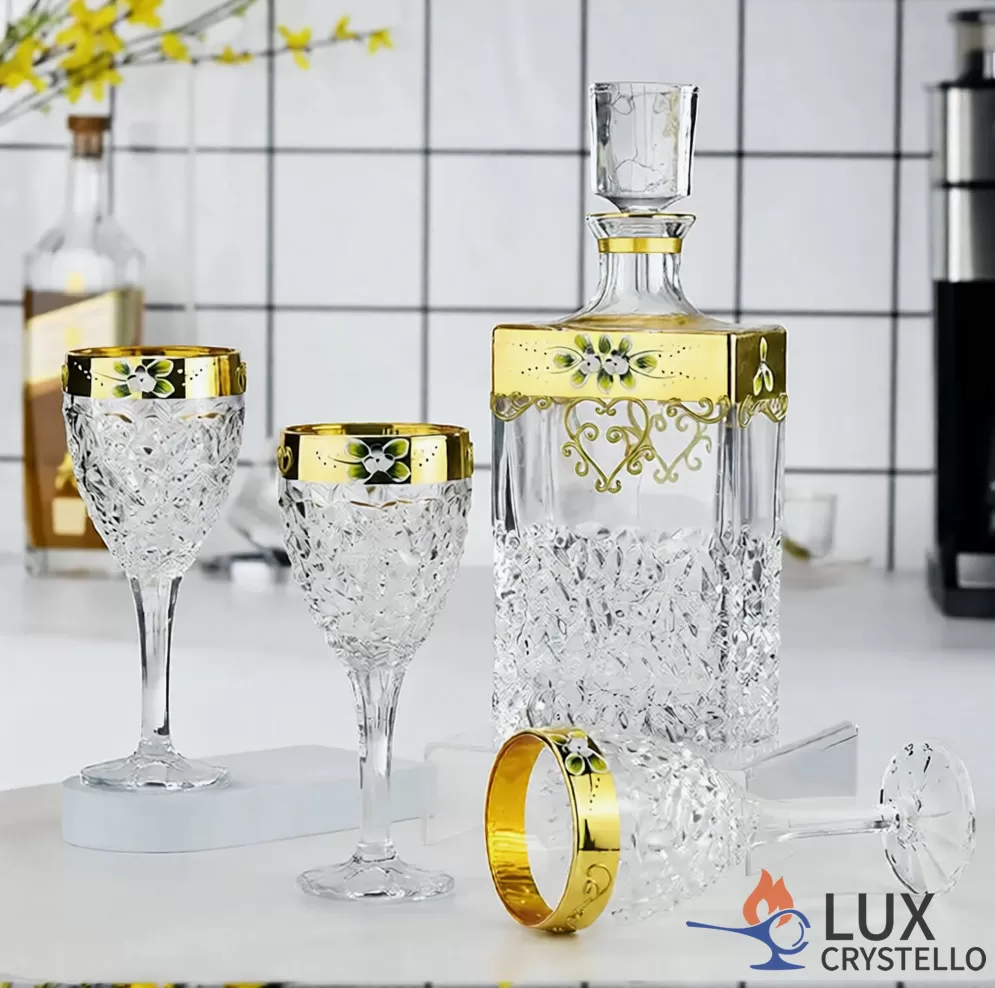
Understanding Soda-Lime Glass and Leaded Glass in Wineware Materials
What Is Soda-Lime Glass?
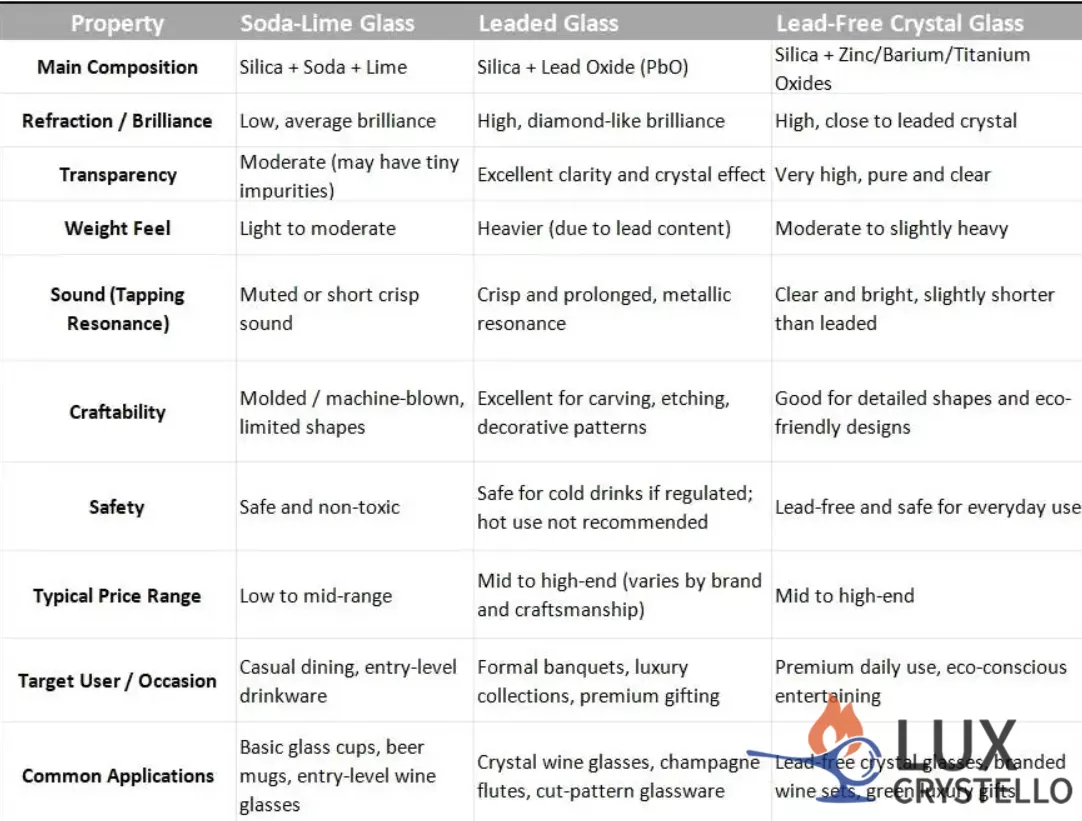
Soda-lime glass serves as the workhorse material throughout the glass industry, valued primarily for its durability characteristics and manufacturing economy. This glass type finds extensive application in everyday items including food jars, beverage bottles, and basic drinkware collections. Its fundamental composition consists of silica (typically sourced from sand), sodium carbonate (soda ash), and calcium oxide (lime)—creating a reliable but optically limited material.
While perfectly functional for everyday use, soda-lime glass typically exhibits greater thickness, heavier weight proportions, and significantly reduced light refraction compared to luxury alternatives. Some contemporary wine glasses manufactured from soda-lime glass undergo machine-thinning processes to achieve more elegant profiles, yet they consistently lack the visual sparkle and refined acoustic “ping” that serious wine connoisseurs associate with quality drinking vessels.
What Is Leaded Glass?
Leaded glass, frequently described as crystal in premium contexts, strategically replaces portions of the calcium content with lead oxide to dramatically enhance optical and physical properties. This intentional compositional adjustment delivers several key performance advantages:
Refractive Excellence
The incorporation of lead oxide substantially increases the material’s refractive index, enabling leaded glass to bend and separate light with exceptional beauty, creating the signature brilliance and sparkle characteristic of fine crystal.
Tactile Presence
The material demonstrates noticeably greater density, producing a substantial heft that conveys quality and stability when held, while simultaneously offering superior optical transparency.
Acoustic Signature
When gently tapped, leaded glass emits a distinctive, prolonged resonant tone highly prized by luxury glassware collectors and enthusiasts seeking multisensory experiences.
For wine lovers aiming to make a definitive statement with their tableware selections, leaded crystal wine glasses embody the pinnacle of sophistication and traditional craftsmanship, transforming ordinary wine service into an extraordinary sensory occasion.
Is Leaded Glass Safe for Wine Service?
Contemporary leaded glass manufactured specifically for wineware applications demonstrates complete safety when used appropriately, particularly with chilled serving temperatures. International regulatory standards strictly govern both lead content percentages and potential leachability factors in food-contact glassware. For additional consumer confidence, numerous premium brands—including Luxcrystello collections—offer sophisticated lead-free crystal alternatives that replicate the optical brilliance of traditional leaded glass through advanced oxide substitutions including barium or zinc compounds.
Why Crystal Glassware Elevates the Wine Experience
Whether selecting traditional leaded formulations or modern lead-free alternatives, high-quality crystal glass wineware consistently enhances the wine drinking experience through multiple sensory dimensions:
Visual Enhancement
Superior clarity and advanced light refraction properties allow wine color and viscosity to be appreciated with exceptional definition and beauty.
Tactile Refinement
The material offers a more sophisticated texture and balanced weight distribution that improves handling comfort and pouring control.
Olfactory Optimization
Strategically shaped bowls and exceptionally thin rims work synergistically to concentrate and direct wine aromas toward the nose, revealing nuanced bouquet characteristics.
When you select handcrafted Luxcrystello drinkware, you acquire more than mere serving vessels—you invest in a comprehensive multisensory ritual that honors both the wine’s character and the occasion’s significance.
Frequently Asked Questions
Can I put crystal wine glasses in the dishwasher?
While some modern crystal is dishwasher-safe, handwashing is generally recommended to preserve the delicate surfaces, intricate cuts, and long-term brilliance of premium crystal glass wineware.
How can I tell if a glass is lead crystal?
Gently tap the rim—genuine lead crystal produces a clear, ringing tone that persists, while soda-lime glass creates a dull, short sound. Also note the substantial weight and exceptional sparkle.
Why are crystal wine glasses more expensive?
The manufacturing process involves skilled handcraftsmanship, superior raw materials, and additional production steps including cutting, polishing, and quality control that justify the premium pricing.
Does the glass material actually affect wine taste?
While the material itself doesn’t alter chemical composition, the thinner rims of crystal glass wineware provide better liquid delivery, and the bowl shapes enhance aroma release, collectively improving perceived flavor.
Conclusion: Material Selection Defines Experience
Within the sophisticated world of wineware, the distinction between soda-lime glass and leaded glass extends far beyond technical specifications—it fundamentally shapes the drinking experience itself. While soda-lime options provide functional serviceability, they consistently fall short of delivering the luxurious qualities inherent in finely crafted crystal glass wineware.
Whether you prefer the unparalleled radiance of traditional leaded glass or the contemporary safety of advanced lead-free alternatives, the Luxcrystello collection of artisan-crafted wine glasses is meticulously designed to bring timeless elegance and superior performance to every pouring occasion.
Discover Luxcrystello Handcrafted Crystal Glassware
At Luxcrystello, we specialize exclusively in premium crystal glass wineware collections, encompassing both traditional leaded and innovative lead-free options. Each piece undergoes careful handcrafting using time-honored glassblowing techniques to achieve exceptional optical clarity, brilliant light performance, and undeniable artistry.
Explore our complete wine glass collections today and transform every toast into an occasion of refined elegance and sensory delight.
Contact our wineware specialists for personalized guidance in selecting the perfect crystal glass wineware to complement your wine preferences and entertaining style.