


The History of Crystal Chandeliers: A Timeless Sparkle in Every Era
Quick Guide: Crystal Chandelier Evolution
When were crystal chandeliers first created?
The earliest crystal chandeliers emerged in 17th-century Europe, initially appearing in royal palaces and aristocratic homes.
What makes crystal chandeliers different from other lighting?
The combination of hand-cut crystal prisms with strategic lighting creates unparalleled light refraction and visual drama that ordinary fixtures cannot match.
How have crystal chandeliers evolved over time?
From candle-lit beginnings to gas and electric adaptations, through various design movements including Baroque, Rococo, Art Deco, and contemporary minimalism.
Why do crystal chandeliers remain popular today?
They represent the perfect fusion of traditional craftsmanship with modern design sensibilities, creating timeless centerpieces for any interior.
What are the current trends in crystal chandelier design?
Modern interpretations blend classical elegance with contemporary lines, often incorporating LED technology and sustainable materials.
The history of crystal chandeliers represents far more than a simple chronicle of lighting evolution—it embodies a captivating journey through centuries of refined elegance, master craftsmanship, and profound cultural transformation. From their origins in royal palaces to their contemporary presence in modern interiors, these radiant masterpieces continue to define standards of taste, sophistication, and artistic expression across generations and design movements.
The History of Crystal Chandeliers: From Palaces to Modern Prestige
The earliest documented crystal chandeliers emerged in 17th-century Europe, where illumination transcended basic necessity to become powerful symbols of social status and wealth. Throughout royal courts from Versailles to Vienna, chandeliers crafted with meticulously blown or precision-cut glass refractors transformed candlelight into dazzling patterns of brilliance. Master craftsmen in Bohemia and Murano pioneered the development of lead glass formulations, creating the first shimmering silhouettes that established chandeliers as central architectural elements rather than mere functional fixtures.
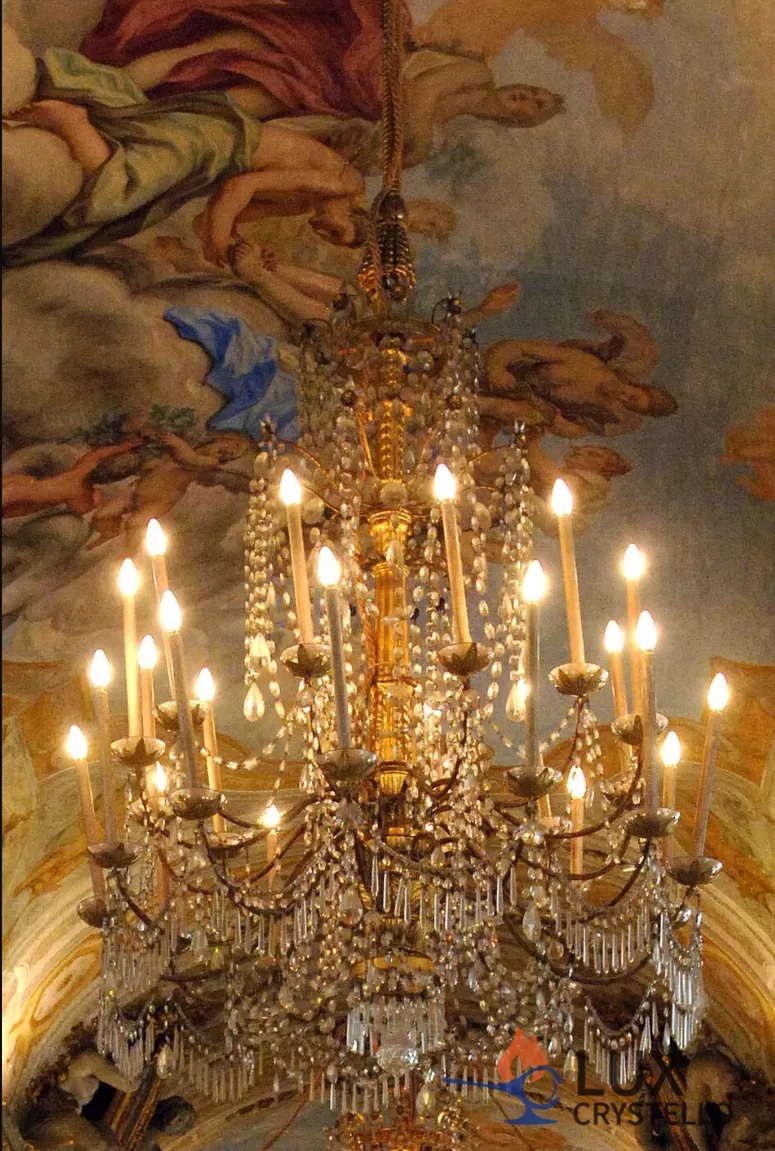
As aristocratic demand for increasingly elaborate luxury lighting fixtures expanded throughout the 18th century, artisans progressively refined their cutting techniques to create multifaceted glass prisms that dramatically enhanced both light diffusion and visual aesthetics. These sophisticated designs served purposes beyond illumination—they communicated narratives of wealth, lineage, and artistic aspiration through their intricate arrangements and sparkling presence.
Industrial Growth and Decorative Evolution
The 19th century witnessed transformative developments in the history of crystal chandeliers as gas lighting and eventually electrical illumination replaced traditional candle power. This technological evolution enabled chandeliers to transition from delicate candle-bearing structures to monumental lighting sculptures of unprecedented scale and complexity. This period marked a significant shift from exclusively aristocratic decoration toward more accessible prestige, particularly among the emerging affluent middle classes.
Pioneering manufacturers including Waterford in Ireland and Baccarat in France initiated large-scale production of high-quality crystal components, making elaborate handcrafted crystal lighting more widely available. Their innovative designs successfully blended traditional craftsmanship with industrial efficiency, enabling hotels, theaters, and substantial private residences to install dazzling crystal installations at previously unimaginable scales.
The subsequent Art Deco movement introduced geometric precision and streamlined forms, while mid-20th century modernism embraced more minimalist interpretations. Yet throughout these stylistic transformations, the fundamental appeal of crystal chandeliers remained constant: the exquisite harmony between radiant illumination and consummate craftsmanship that defines exceptional luxury lighting fixtures.
Frequently Asked Questions
How were crystal chandeliers lit before electricity?
Originally designed for candles, later adapted for gas lighting in the 19th century, and finally converted for electrical use—each transition requiring significant structural modifications.
What’s the difference between crystal and glass chandeliers?
Genuine crystal contains lead oxide (typically 24-30%), creating superior light refraction and acoustic properties, while glass lacks these optical qualities and resonant characteristics.
Can antique crystal chandeliers be converted to modern electrical systems?
Yes, most professional lighting restorers can carefully update antique fixtures with modern electrical components while preserving historical integrity and safety.
How do I determine the appropriate chandelier size for my space?
A general guideline: add room dimensions (in feet) to determine approximate chandelier diameter (in inches). For example, a 12x14 foot room would suit a 26-inch diameter chandelier.
Modern Demand and Market Insights
Contemporary interior design is experiencing a notable renaissance of crystal chandeliers, with global trends increasingly favoring statement lighting that merges classical elegance with modern design sensibilities. According to comprehensive analysis by Grand View Research, the worldwide decorative lighting market reached USD 31.6 billion in 2022, with chandeliers constituting more than 18% of total market value.
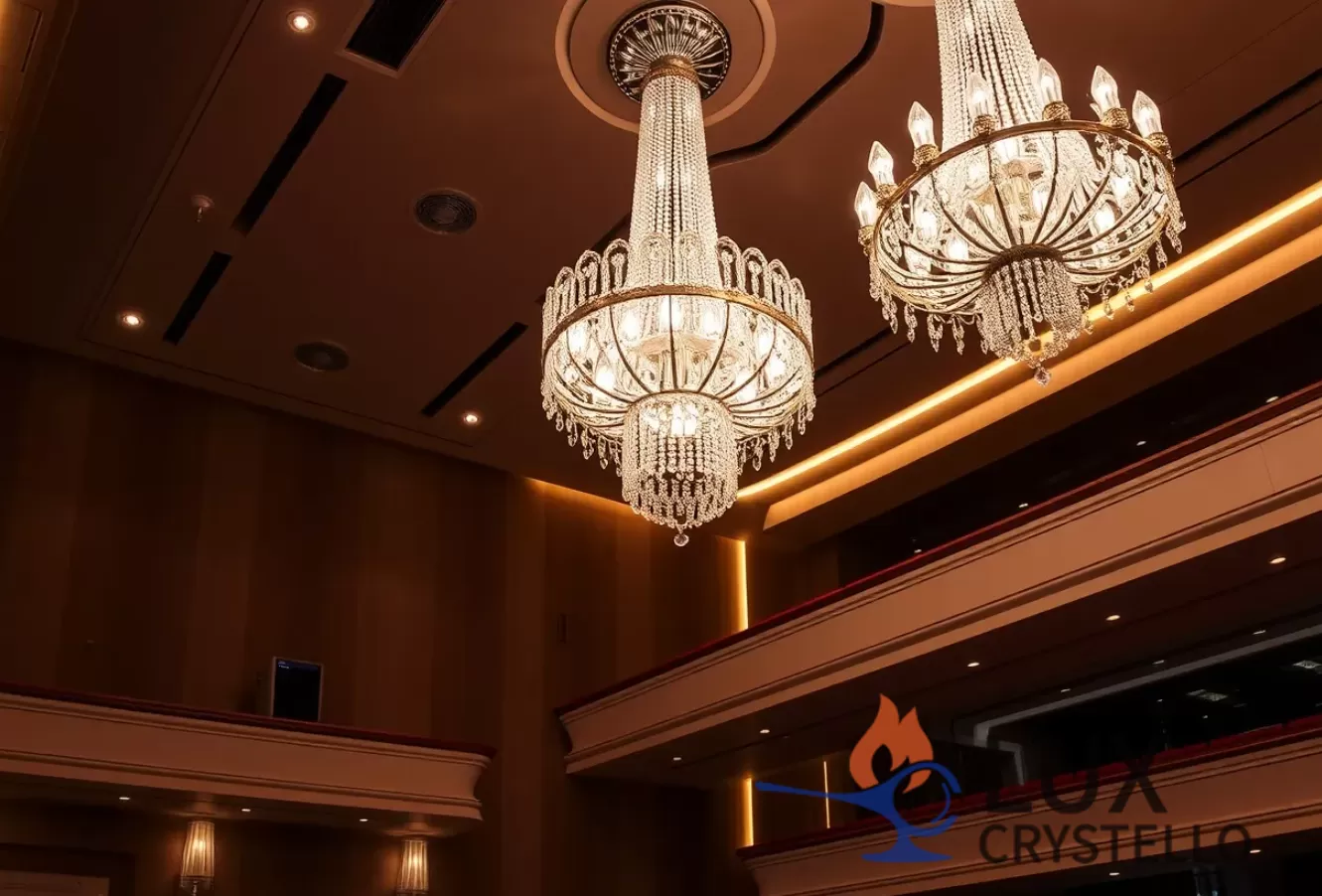
Particularly noteworthy is the expanding demand for handcrafted crystal lighting within luxury residential and hospitality segments, with strongest growth observed across Asia-Pacific and North American markets. Today’s discerning buyers seek not merely functional lighting, but luxury lighting fixtures that express personal style and spatial identity, with customization options, artisanal techniques, and sustainable material considerations becoming increasingly decisive purchasing factors.
Why Crystal Chandeliers Still Shine Today
Beyond their inherent beauty, the enduring history of crystal chandeliers reminds us why these magnificent fixtures continue to captivate centuries after their initial creation. They represent the perfect synthesis of form and function, heritage and innovation. In an era dominated by mass production, the authenticity and individuality of handcrafted crystal lighting distinguishes itself more prominently than ever before.
At Luxcrystello Crystal, we honor this rich legacy by offering bespoke handcrafted crystal lighting solutions that respect traditional techniques while embracing contemporary design requirements. Whether illuminating prestigious hotel lobbies, designer residences, or statement dining environments, we transform creative vision into tangible brilliance—utilizing materials and craftsmanship methodologies that echo centuries of artistic tradition.
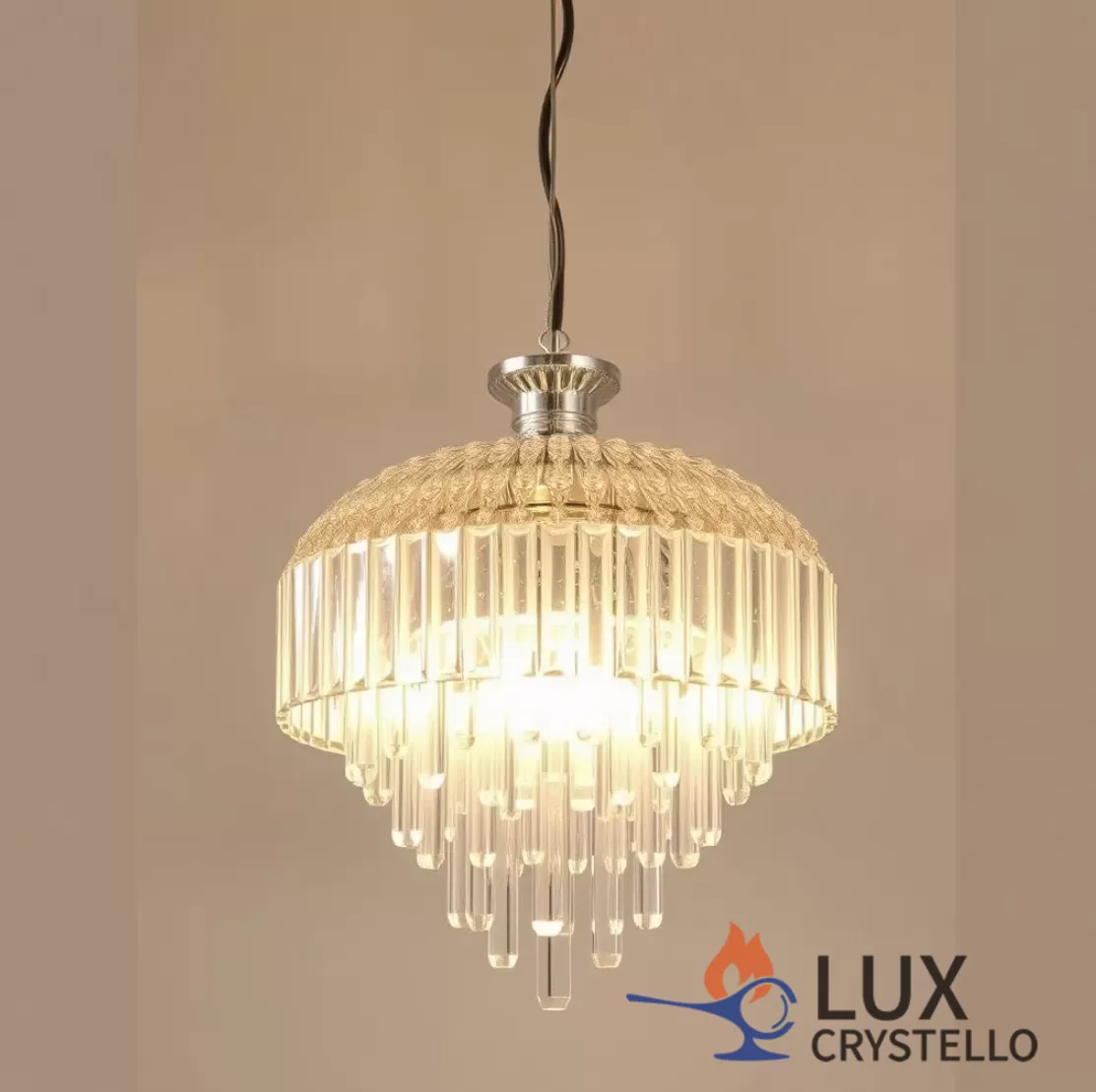
The continued evolution of crystal chandelier design demonstrates how traditional forms can adapt to contemporary contexts while retaining their essential character—proving that true craftsmanship transcends temporary trends to create enduring beauty that spans generations.
Illuminate Your Space with Historical Elegance
Ready to incorporate a piece of lighting history into your environment? Contact Luxcrystello Crystal to commission your custom crystal chandelier today, and allow timeless craftsmanship to define your space with the same radiant elegance that has illuminated royal palaces and prestigious interiors for centuries.
Explore our historical-inspired collections and discover how the rich history of crystal chandeliers can inform and enhance your contemporary lighting solutions with depth, character, and unparalleled beauty.