
The Spatial Aesthetics of Glass: The Magic of Light, Shadow, Space, and Material Refraction

Nov .18.2025
  views
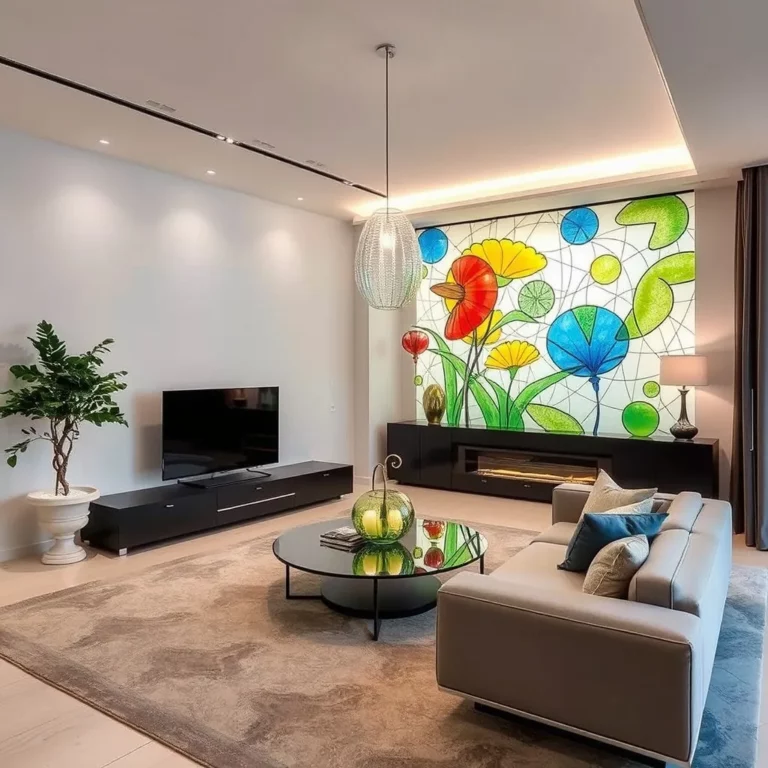
Glass has long been celebrated for its ability to transform spaces through its interaction with light, shadow, and material properties. Its unique characteristics allow architects and designers to redefine spatial aesthetics, creating functional and visually captivating environments. This article explores the transformative power of glass and its role in shaping modern design through light, shadow, space, and material refraction.

The Role of Glass in Defining Spatial Aesthetics

Glass plays a pivotal role in shaping how we perceive and interact with spaces. Unlike opaque materials, glass allows for the seamless integration of natural light, connecting interior and exterior environments while maintaining a sense of openness.


Enhancing Transparency and Connectivity


One of the most striking aspects of glass is its ability to dissolve boundaries. Large glass windows, walls, and doors invite the outside in, fostering a sense of continuity between different spaces. This transparency enhances the visual appeal and improves the functionality of spaces by making them feel more expansive and connected.

Light and Shadow as Design Elements


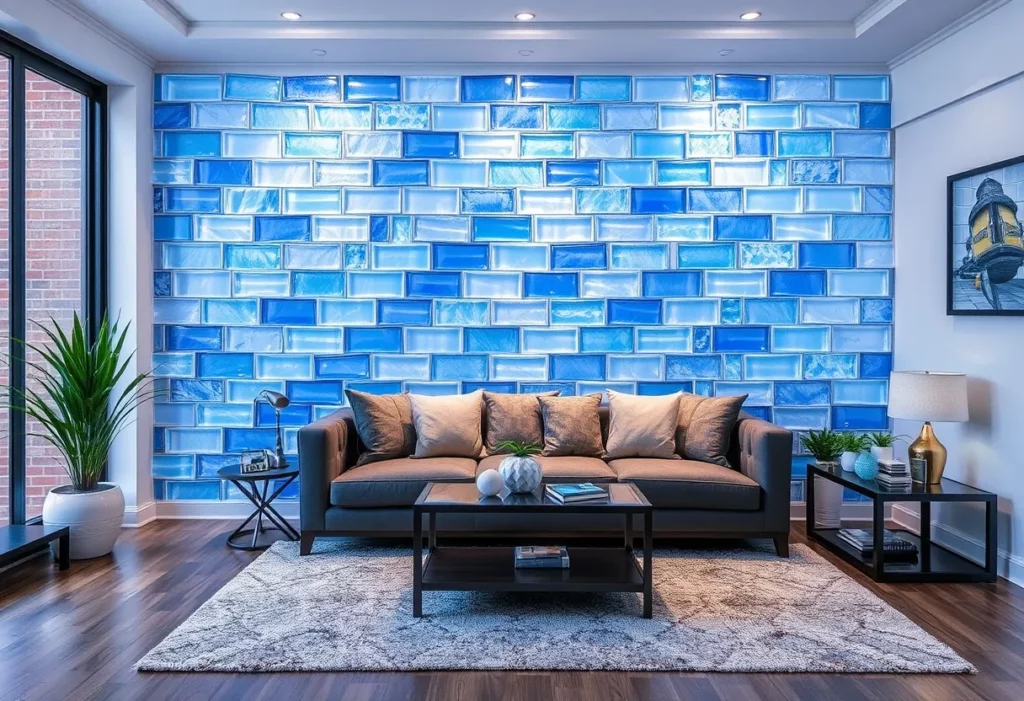
Glass acts as a canvas for light and shadow, creating dynamic patterns that evolve throughout the day. When light passes through textured or tinted glass, it produces an array of visual effects that add depth and character to a space. These ever-changing patterns make glass an active participant in the design, rather than a static material. A designer who works on modern interior design said: “Through the clever use of glass in space, it is possible to transform an originally compact space into an airy, light-filled environment. Because the interaction of natural light and transparency adds a sense of freedom and fluidity that other materials cannot replicate.”

Spatial Aesthetics of Glass

The Science Behind Material Refraction and Its Aesthetic Appeal


The aesthetic magic of glass lies in its refractive properties—the way it bends and manipulates light as it passes through. This scientific phenomenon is key to understanding why glass holds such a unique place in space aesthetics.

1-The Art of Light Refraction


When light interacts with glass, it bends and disperses, creating prismatic effects and magnified visuals. This interaction is particularly evident in decorative glass elements, such as crystal chandeliers or beveled panels, which scatter light into mesmerizing rainbows and reflections.

2-Illusion of Depth and Movement


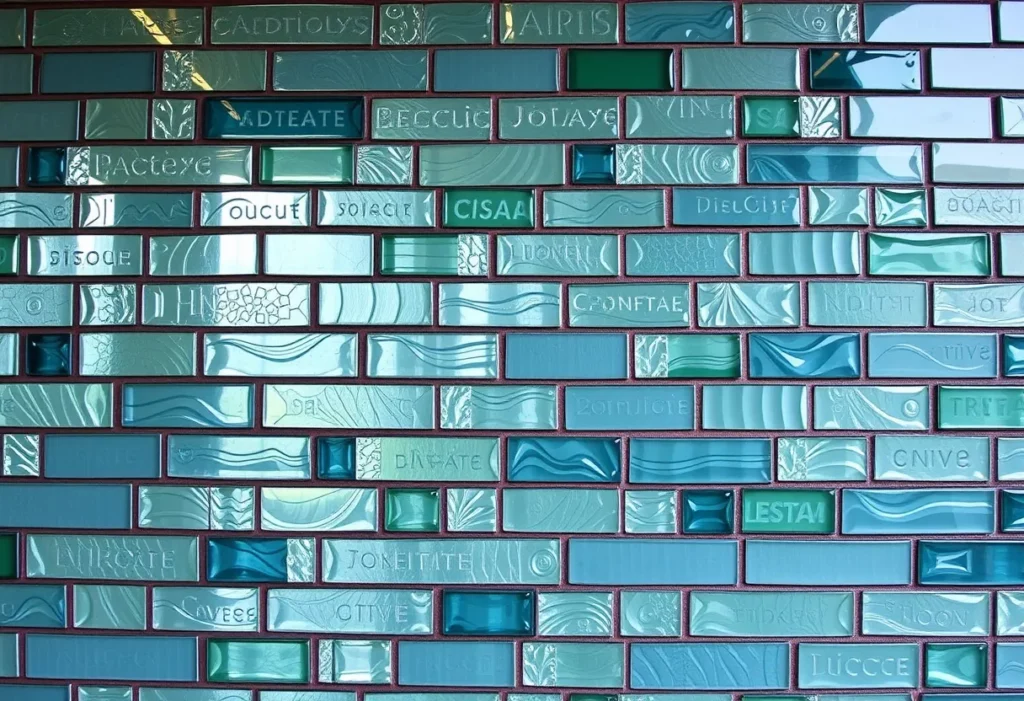
The refraction of light through glass creates an illusion of depth and movement, making spaces appear more dynamic. Frosted or textured glass amplifies this effect by diffusing light, softening shadows, and adding a sense of mystery to the design.

3-Contrast and Balance


Clear glass can highlight contrasts in texture, color, and material, acting as a neutral frame that emphasizes surrounding elements. Meanwhile, colored or patterned glass introduces vibrancy and personality, striking a balance between function and artistic expression.

Applications of Glass in Modern Architectural and Interior Design


Glass has evolved from a simple building material into a versatile medium for architectural and interior innovation. Its ability to adapt to various design needs makes it an essential element in modern aesthetics.

1. Architectural Features
From floor-to-ceiling glass facades to skylights, glass plays a crucial role in contemporary architecture. It enhances natural lighting and provides energy efficiency by reducing the need for artificial lighting. Moreover, glass bridges and staircases push the boundaries of design by combining structural integrity with visual elegance.

Spatial Aesthetics of Glass

2. Partitioning and Privacy
In interior design, glass partitions are a popular choice for dividing spaces without compromising openness. Frosted or tinted glass can provide privacy while still allowing light to flow freely, making it ideal for offices, bathrooms, and open-plan homes.

3. Decorative Elements
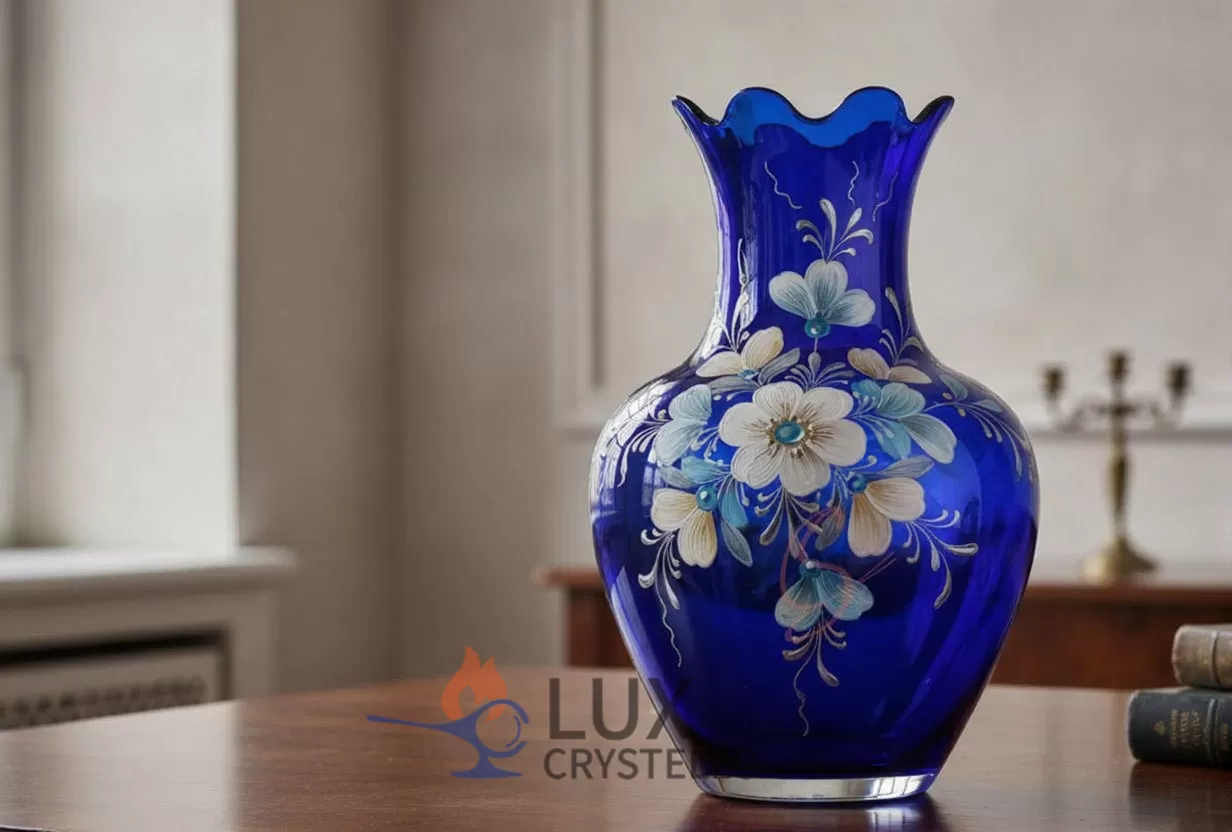
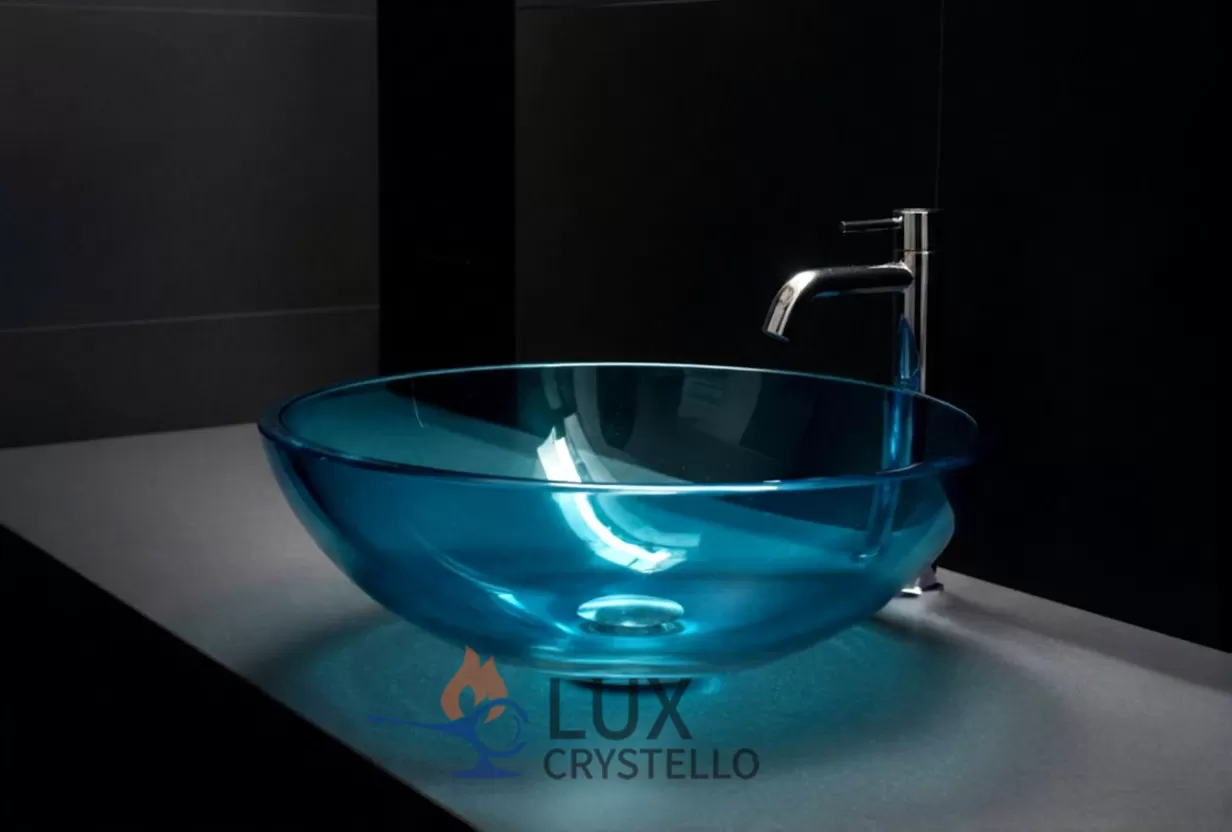
Glass is widely used in decorative features, such as mirrors, tabletops, and lighting fixtures. These elements not only serve functional purposes but also act as focal points that elevate the overall design. Colored or etched glass adds personality and sophistication, making each piece a work of art.

4. Sustainable Design
Modern advancements have introduced eco-friendly glass options, such as low-emissivity (Low-E) glass and recycled glass products. These sustainable choices allow designers to achieve aesthetic goals while minimizing environmental impact.

One of Luxcrystello Crystal’s customers said, “I’ve always been fascinated by how designers use glass to manipulate light and create spatial aesthetics. Whether it’s the prismatic effect in a sunlit room or the soft glow of frosted glass, the aesthetic possibilities are endless.”


Conclusion: How Glass Transforms Modern Spatial Aesthetics


The spatial aesthetics of glass go beyond its physical properties—it is a material that bridges art and science, blending light, shadow, and refraction to redefine how we experience spaces. From creating openness and connectivity to producing mesmerizing visual effects, glass has an unmatched transformative power.


Are you ready to elevate your space with the timeless appeal of glass? Explore our selection of innovative glass solutions designed to enhance your home or office. Let us help you bring your vision to life with products that combine beauty, functionality, and sustainability. Contact us today to discover how we can transform your space into a masterpiece of modern design!


Let’s turn your vision into motion—one handcrafted form at a time. Contact us today.


Related News
Hookah for Social Gatherings: Flavor, Atmosphere & Ideas
Dec .12.2025
Elevate hookah for social gatherings with creative session ideas and trending modern hookah flavors. Make every gathering unforgettable.
Mastering Craftsmanship: Understanding Glass Cutting Precision in Hookah Design
Dec .12.2025
Learn how glass cutting precision in hookah design improves airflow, performance, and durability. Practical tips for modern hookah glass manufacturing.
Transparent Glass Hookah Domes: Data, Safety, Setup Guide
Dec .12.2025
Transparent glass hookah domes improve heat control and visibility. See specs, borosilicate glass 3.3 data, airflow tips, and cleaning advice for safer setups.
The Ultimate Buyer's Guide: How to Choose a Glass Hookah Vase Manufacturer
Dec .12.2025
Learn how to choose a glass hookah vase manufacturer for quality, design, and durability. Get expert tips on sourcing reliable custom hookah vase factory.
We use cookie to improve your online experience. By continuing to browse this website, you agree to our use of cookie.

Cookies

Please read our Terms and Conditions and this Policy before accessing or using our Services. If you cannot agree with this Policy or the Terms and Conditions, please do not access or use our Services. If you are located in a jurisdiction outside the European Economic Area, by using our Services, you accept the Terms and Conditions and accept our privacy practices described in this Policy.
We may modify this Policy at any time, without prior notice, and changes may apply to any Personal Information we already hold about you, as well as any new Personal Information collected after the Policy is modified. If we make changes, we will notify you by revising the date at the top of this Policy. We will provide you with advanced notice if we make any material changes to how we collect, use or disclose your Personal Information that impact your rights under this Policy. If you are located in a jurisdiction other than the European Economic Area, the United Kingdom or Switzerland (collectively “European Countries”), your continued access or use of our Services after receiving the notice of changes, constitutes your acknowledgement that you accept the updated Policy. In addition, we may provide you with real time disclosures or additional information about the Personal Information handling practices of specific parts of our Services. Such notices may supplement this Policy or provide you with additional choices about how we process your Personal Information.


Cookies

Cookies are small text files stored on your device when you access most Websites on the internet or open certain emails. Among other things, Cookies allow a Website to recognize your device and remember if you've been to the Website before. Examples of information collected by Cookies include your browser type and the address of the Website from which you arrived at our Website as well as IP address and clickstream behavior (that is the pages you view and the links you click).We use the term cookie to refer to Cookies and technologies that perform a similar function to Cookies (e.g., tags, pixels, web beacons, etc.). Cookies can be read by the originating Website on each subsequent visit and by any other Website that recognizes the cookie. The Website uses Cookies in order to make the Website easier to use, to support a better user experience, including the provision of information and functionality to you, as well as to provide us with information about how the Website is used so that we can make sure it is as up to date, relevant, and error free as we can. Cookies on the Website We use Cookies to personalize your experience when you visit the Site, uniquely identify your computer for security purposes, and enable us and our third-party service providers to serve ads on our behalf across the internet.

We classify Cookies in the following categories:
 ●  Strictly Necessary Cookies
 ●  Performance Cookies
 ●  Functional Cookies
 ●  Targeting Cookies


Cookie List
A cookie is a small piece of data (text file) that a website – when visited by a user – asks your browser to store on your device in order to remember information about you, such as your language preference or login information. Those cookies are set by us and called first-party cookies. We also use third-party cookies – which are cookies from a domain different than the domain of the website you are visiting – for our advertising and marketing efforts. More specifically, we use cookies and other tracking technologies for the following purposes:

Strictly Necessary Cookies
These cookies are necessary for the website to function and cannot be switched off in our systems. They are usually only set in response to actions made by you which amount to a request for services, such as setting your privacy preferences, logging in or filling in forms. You can set your browser to block or alert you about these cookies, but some parts of the site will not then work. These cookies do not store any personally identifiable information.

Functional Cookies
These cookies enable the website to provide enhanced functionality and personalisation. They may be set by us or by third party providers whose services we have added to our pages. If you do not allow these cookies then some or all of these services may not function properly.

Performance Cookies
These cookies allow us to count visits and traffic sources so we can measure and improve the performance of our site. They help us to know which pages are the most and least popular and see how visitors move around the site. All information these cookies collect is aggregated and therefore anonymous. If you do not allow these cookies we will not know when you have visited our site, and will not be able to monitor its performance.

Targeting Cookies
These cookies may be set through our site by our advertising partners. They may be used by those companies to build a profile of your interests and show you relevant adverts on other sites. They do not store directly personal information, but are based on uniquely identifying your browser and internet device. If you do not allow these cookies, you will experience less targeted advertising.

How To Turn Off Cookies
You can choose to restrict or block Cookies through your browser settings at any time. Please note that certain Cookies may be set as soon as you visit the Website, but you can remove them using your browser settings. However, please be aware that restricting or blocking Cookies set on the Website may impact the functionality or performance of the Website or prevent you from using certain services provided through the Website. It will also affect our ability to update the Website to cater for user preferences and improve performance. Cookies within Mobile Applications

We only use Strictly Necessary Cookies on our mobile applications. These Cookies are critical to the functionality of our applications, so if you block or delete these Cookies you may not be able to use the application. These Cookies are not shared with any other application on your mobile device. We never use the Cookies from the mobile application to store personal information about you.

If you have questions or concerns regarding any information in this Privacy Policy, please contact us by email at . You can also contact us via our customer service at our Site.