



The Rise of Building Transparent Glass Bricks in Modern Architecture
Discover how building transparent glass bricks is revolutionizing contemporary architectural design by merging structural functionality with luminous aesthetics, creating spaces that balance privacy, natural light, and visual connectivity.
Quick Guide: Transparent Glass Brick Applications
What are transparent glass bricks?
Structural building elements made of solid or hollow glass units that allow light transmission while maintaining visual separation and thermal performance.
Where are glass bricks commonly used?
Exterior curtain walls, interior partitions, stairwell enclosures, bathroom dividers, and feature walls in commercial and residential spaces.
What are the main benefits of using glass bricks?
Natural light diffusion, privacy maintenance, thermal insulation, sound reduction, and distinctive aesthetic appeal.
How do modern glass bricks differ from traditional versions?
Contemporary versions offer improved structural strength, better insulation properties, and more design variations in texture, color, and size.
Are glass bricks suitable for load-bearing applications?
While primarily used as infill, specially engineered glass bricks can contribute to structural systems when properly designed and installed.
In recent years, building transparent glass bricks has emerged as a significant trend transforming modern architectural practice. Moving far beyond their conventional decorative applications, these sophisticated materials are fundamentally reshaping how designers conceptualize spatial relationships, natural illumination, and structural expression in contemporary built environments.
Building Transparent Glass Bricks: A Material That Reshapes Space and Light
As architectural priorities increasingly emphasize materials that seamlessly balance aesthetic form with practical function, building transparent glass bricks has gained substantial momentum among forward-thinking architects, interior designers, and property developers. These innovative building components accomplish much more than simple spatial division or structural support—they actively redefine the dynamic interaction between physical space and natural illumination.
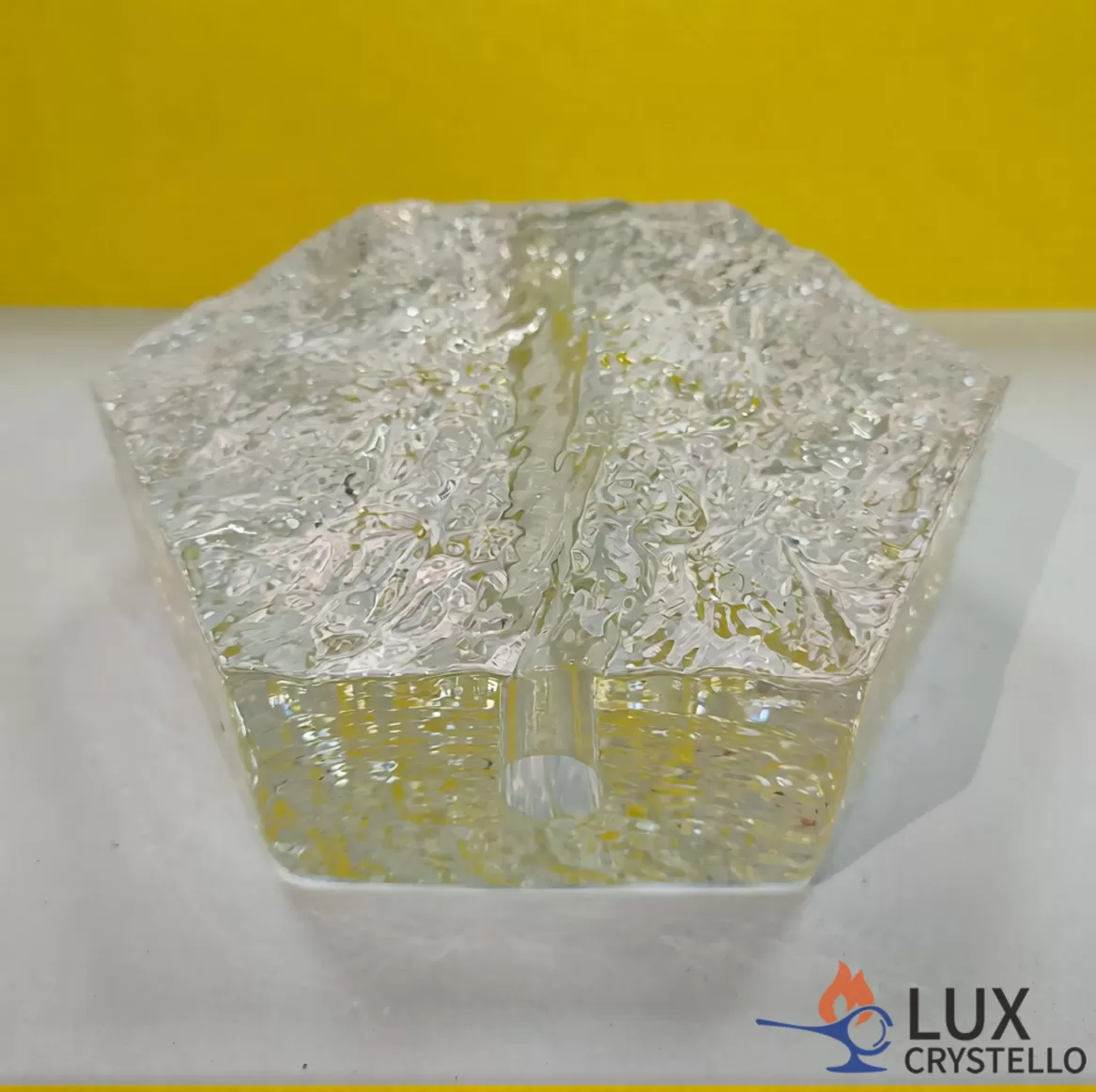
Compared to conventional building materials like concrete, timber, or standard glazing systems, transparent glass bricks provide controlled light transmission while simultaneously maintaining measured visual privacy. Their characteristic semi-translucent nature permits natural light to filter through spaces softly, establishing a sense of separation without creating visual isolation. This unique quality makes them particularly suitable for environments requiring both openness and discretion, including hotel lobbies, art galleries, wellness spas, and corporate meeting areas.
Furthermore, the structural composition of contemporary transparent glass bricks has advanced significantly beyond the simple hollow blocks historically available. Today’s high-performance variants—frequently manufactured using kiln-casting, precision pressing, or even specialized mouth-blowing techniques—can withstand considerable mechanical loads, temperature fluctuations, and harsh weather conditions. Consequently, architects increasingly specify them for both exterior curtain wall applications and interior structural features that demand both strength and transparency.
This renewed architectural interest in glass brick construction reflects broader shifts in design values: prioritizing transparency, sustainability, and the intentional integration of natural light as an essential building component. Contemporary architecture increasingly focuses not merely on spatial appearance but equally on experiential quality—how environments feel to occupants, how they facilitate natural ventilation, and how they enhance human connection to the surrounding environment.
Frequently Asked Questions
How do glass bricks provide insulation compared to regular windows?
Modern transparent glass bricks typically feature hollow construction with internal air pockets that create superior thermal insulation compared to single-pane glazing, with some advanced systems achieving U-values comparable to insulated glass units.
Can glass bricks be used in exterior walls in cold climates?
Yes, specifically engineered transparent glass bricks with low-emissivity coatings and argon gas fills provide excellent thermal performance for exterior applications in various climate conditions, including cold environments.
What maintenance do glass brick walls require?
Minimal maintenance—primarily occasional cleaning with standard glass cleaners. Their non-porous surfaces resist staining, and their modular construction allows individual brick replacement if damaged.
Are glass bricks safe and secure for ground-floor applications?
When properly installed with reinforced frames and potential film laminations, transparent glass bricks provide substantial security comparable to conventional building materials while maintaining their luminous qualities.
Market Trends: Growing Demand for Transparent Glass Bricks
Global architectural practice is undergoing a significant material transformation as designers seek innovative solutions that merge aesthetic appeal with performance characteristics. According to comprehensive industry analysis, the worldwide market for architectural glass products is projected to exceed $110 billion by 2030, with a substantial portion attributable to decorative and structural glass components including bricks, blocks, and specialized panels.
img
Specifically, building transparent glass bricks has experienced particularly strong demand growth across Asia-Pacific and European markets, where urban densification and design-forward development projects are expanding rapidly. In leading architectural centers including Shanghai, Milan, and Seoul, design professionals are actively seeking light-filtering, privacy-enhancing building solutions that elevate both formal expression and functional performance—positioning glass bricks as an increasingly preferred material selection.
Additionally, the accelerating transition toward sustainable building certification standards is further driving adoption rates. Projects targeting LEED, BREEAM, or WELL certifications frequently incorporate passive design elements like transparent glass bricks to optimize natural daylight penetration, reduce artificial lighting energy consumption, and support human-centric spatial experiences that prioritize occupant wellbeing.
Manufacturers are responding to this growing demand with expanded customization capabilities—offering diverse sizes, surface textures, interlocking profiles, and specialized finishes to align with contemporary design aesthetics. Consequently, transparent glass bricks are transitioning from niche luxury applications to scalable solutions for public infrastructure, hospitality venues, and high-end residential construction projects worldwide.
Design Applications and Technical Considerations
Innovative Applications in Contemporary Architecture
Building transparent glass bricks enables numerous creative applications that enhance architectural expression while addressing practical requirements:
Exterior Building Skins
Glass brick façades create visually striking building envelopes that transform throughout the day as lighting conditions change, offering dynamic appearances while providing weather protection and thermal performance.
Interior Spatial Division
Glass brick partitions establish visual separation between functional areas while maintaining light transmission and spatial connectivity, ideal for open-plan environments requiring zoned activities.
img
Structural Light Features
Innovative engineering approaches enable transparent glass bricks to form self-supporting structural elements like stair towers, elevator enclosures, and load-bearing walls that simultaneously serve as luminous architectural features.
Sustainable Design Integration
The passive lighting capabilities of glass brick construction contribute significantly to energy-efficient building performance, reducing reliance on artificial illumination while creating visually comfortable environments.
Technical Performance Characteristics
Modern transparent glass bricks deliver comprehensive performance benefits that support their growing architectural application:
- Thermal Performance: Advanced versions achieve U-values as low as 0.35 W/m²K through multi-chamber construction and specialized gas fills
- Acoustic Control: The mass and sealed construction provide sound reduction ratings up to STC 45-50, suitable for many commercial and residential applications
- Structural Capacity: Engineered systems can withstand significant wind loads and impact forces when properly installed with reinforced framing
- Fire Performance: Special fire-rated glass brick assemblies can achieve up to 90-minute fire resistance ratings for code-compliant applications
Conclusion: Light, Structure, and a New Design Language
Whether deployed to create luminous room partitions, striking building facades, or light-filled vertical circulations spaces, building transparent glass bricks is actively redefining contemporary architectural practice. This innovative material successfully bridges historical precedent and technological innovation, recalling Art Deco influences while simultaneously advancing the boundaries of future-ready sustainable design.
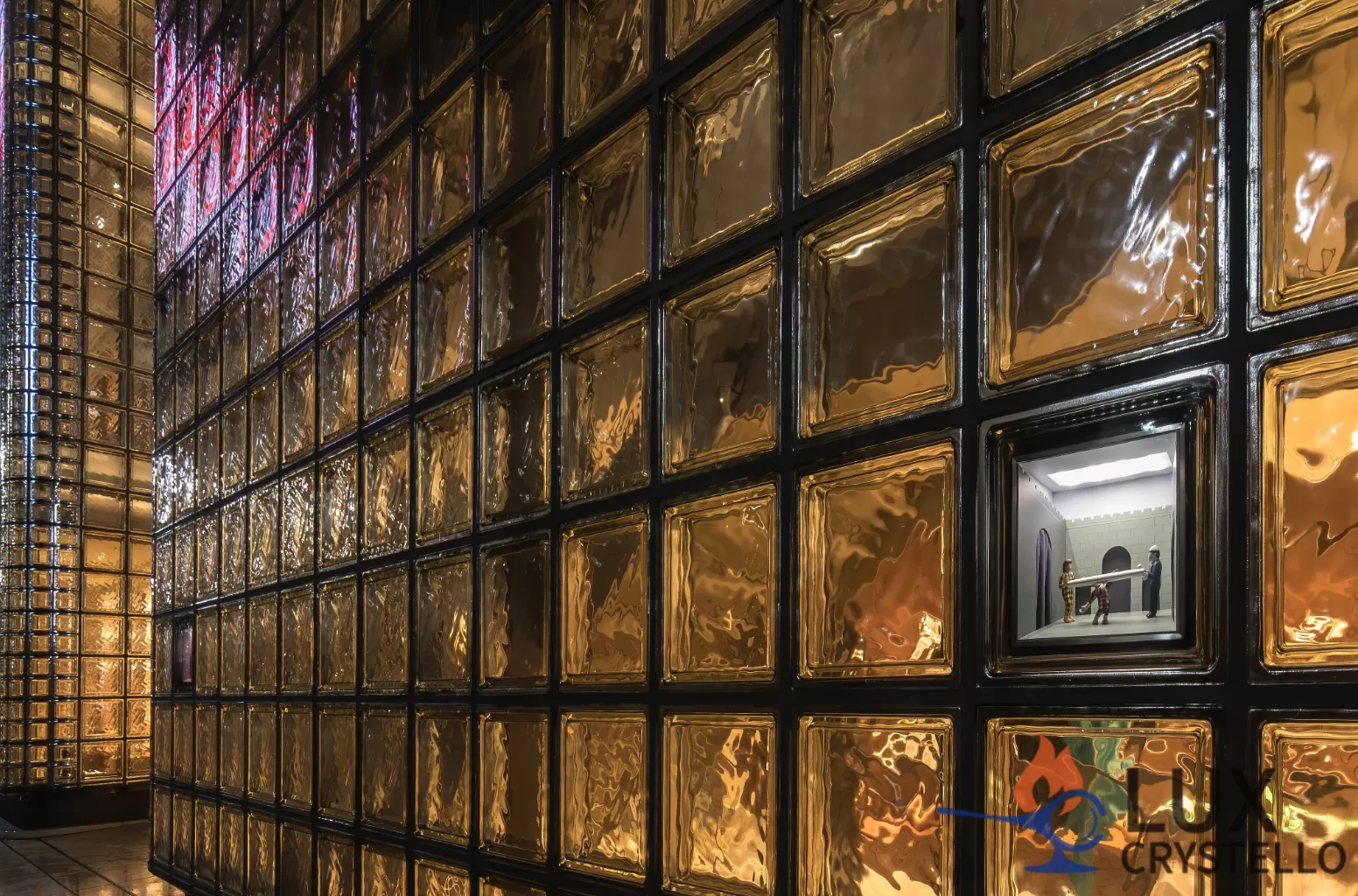
For architects, designers, and developers seeking materials that deliver substantial visual impact, reliable functional performance, and meaningful narrative value, transparent glass bricks warrant serious consideration for upcoming projects. Their unique ability to transform ordinary spaces into extraordinary luminous environments positions them as a significant material choice in the evolution of twenty-first century architecture.
Illuminate Your Architectural Vision with Luxcrystello
At Luxcrystello, we specialize in precision-engineered building transparent glass bricks and custom architectural glass solutions. Whether your project involves boutique hospitality venues, commercial building facades, or contemporary residential designs, our expert team provides comprehensive support from conceptual design through technical implementation.
Contact our architectural specialists today to request material samples, schedule design consultations, or discuss custom specification requirements for your next innovative building project.