



Understanding Lead Glass Forming Temperature: A Key to Precision and Quality
Discover how mastering lead glass forming temperature is essential for creating premium crystal products, from delicate decorative pieces to functional glassware with exceptional clarity and brilliance.
Quick Guide: Lead Glass Temperature Essentials
What is lead glass forming temperature?
The specific temperature range (800°C-1,000°C) where lead glass becomes workable for shaping and forming processes.
Why is temperature control so critical for lead glass?
Precise temperature management ensures optimal viscosity, prevents devitrification, and maintains the material’s exceptional optical properties.
How does lead glass temperature differ from regular glass?
Lead glass has a lower working temperature than soda-lime glass due to its lead oxide content, enabling more intricate detailing.
What happens if the temperature is incorrect?
Overheating causes crystallization and opacity, while insufficient heat leads to poor flow and incomplete forming.
Can temperature variations affect the final product quality?
Yes, even minor temperature fluctuations can impact clarity, bubble formation, and structural integrity.
When creating decorative or functional glass products, understanding the precise lead glass forming temperature becomes absolutely critical for both individual artisans and industrial manufacturers. Lead glass—commonly referred to as crystal glass—contains significant lead oxide (PbO) content that substantially alters its crystal glass melting point and optical characteristics. This comprehensive exploration examines what constitutes the lead glass forming temperature, why it matters profoundly in production processes, and how it directly influences glass shaping outcomes and final product quality.
What Is Lead Glass Forming Temperature?
The lead glass forming temperature specifically refers to the thermal range where the material transitions into a soft, malleable state suitable for shaping and manipulation. Typically, this critical temperature span falls between 800°C and 1,000°C, with exact parameters determined by the specific chemical composition of each glass formulation. Due to its substantial lead oxide content, the lead glass softening range occurs at significantly lower temperatures compared to standard soda-lime glass, making it exceptionally well-suited for intricate shaping processes requiring precise detail work.
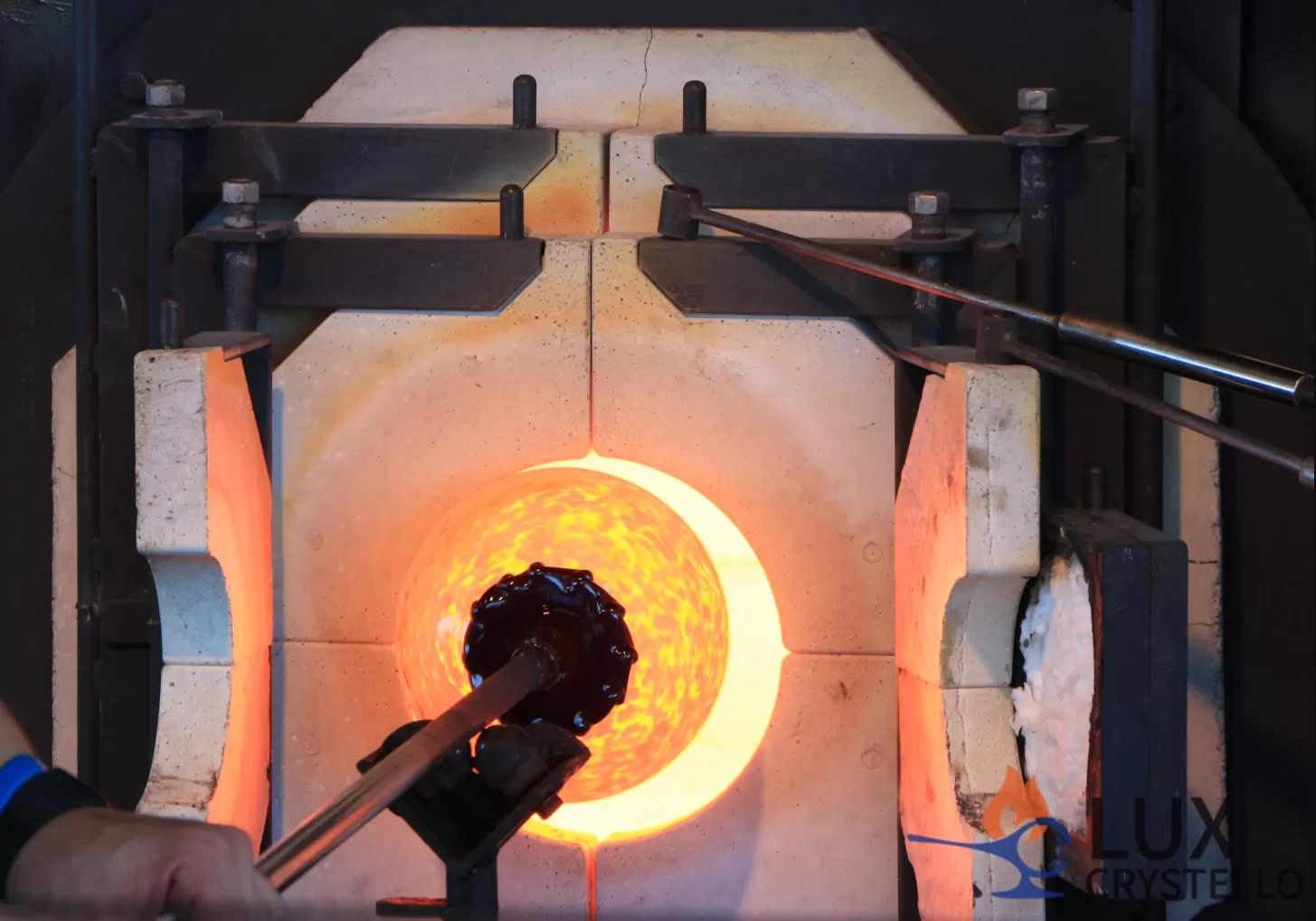
When contrasted with ordinary glass formulations, the crystal glass melting point demonstrates noticeably lower thermal requirements, which facilitates smoother material flow and superior detail retention during molding operations. This distinctive thermal property represents a primary reason why lead glass remains the preferred material for premium crystalware manufacturing and sophisticated fine art glass production where precision and clarity are paramount.
Why Is Forming Temperature So Important?
Understanding and maintaining the correct lead glass forming temperature ensures multiple critical aspects of production quality and material performance:
Optimal Forming Characteristics
At precisely controlled temperatures, lead glass achieves ideal viscosity parameters that enable smooth shaping, detailed work, and consistent forming without compromising structural integrity.
Crystallization Prevention
Overheating or prolonged exposure outside the optimal lead glass softening range can trigger devitrification—an unwanted crystallization process that creates opacity and diminishes the material’s prized transparent qualities.
Consistent Product Quality
In professional crystalware manufacturing environments, thermal consistency directly influences fundamental quality metrics including optical clarity, bubble control, and ultimate product strength.
Contemporary production facilities, particularly those specializing in high-end crystalware manufacturing, employ advanced kiln programming and sophisticated digital feedback systems to maintain precise thermal control. These technological tools enable fine-tuning of complex heat curves, carefully calculated annealing cycles, and precisely managed temperature ramps—all essential considerations when working with leaded glass formulations that demonstrate greater thermal sensitivity compared to conventional soda-lime compositions.
In smaller artisan workshops and studio environments, temperature control often depends more extensively on the glassmaker’s trained visual assessment and developed tactile sensitivity rather than automated systems. Experienced glassblowers frequently rely on subtle color transitions, glow intensity variations, and glass flow behavior observations to determine whether a piece remains within the correct lead glass softening range. Additional visual indicators including the glass’s droop speed or stringiness characteristics help ascertain whether the material has reached optimal workability for detailed shaping or remains too rigid for precision work.
Furthermore, the lower crystal glass melting point necessitates corresponding adaptations in tooling and equipment—specialized graphite paddles, wooden shaping blocks, and blowing irons require proper preheating protocols to prevent premature chilling of the glass surface. This requirement represents a fundamental principle in professional glassblowing practice, helping minimize thermal shock risks and preserving the exceptional optical quality synonymous with fine lead crystal.
Practical Glassblowing Tips for Lead Glass
For glass artisans working with lead crystal formulations, maintaining precise forming conditions remains essential for achieving superior results. These proven glassblowing tips ensure optimal outcomes:
Comprehensive Tool Preparation
Thoroughly preheat all shaping tools and molds to appropriate temperatures before contact with molten glass, significantly reducing thermal shock during transfer and forming operations.
Precision Temperature Monitoring
Utilize digital kiln controllers or infrared pyrometers to accurately monitor the lead glass forming temperature throughout the entire working process, maintaining consistent thermal conditions.
Efficient Working Methods
Develop rapid, confident shaping techniques that capitalize on the brief window when the material remains within its ideal soft range, ensuring clean forms and precise details.
img
Consistently applying these fundamental glassblowing tips during lead glass forming processes ensures more stable production outcomes and luminous finished surfaces, particularly important when creating delicate or highly ornamental pieces where visual perfection is paramount.
Frequently Asked Questions
Why does lead glass have a lower forming temperature than regular glass?
The addition of lead oxide modifies the glass network structure, reducing the energy required for viscous flow and consequently lowering both melting and working temperatures.
How do manufacturers determine the exact forming temperature for different lead glass compositions?
Through rigorous laboratory testing including viscosity measurements, thermal expansion analysis, and direct observation of glass behavior at various temperature stages.
Can lead glass be reworked if it cools below the forming temperature?
Yes, but repeated reheating increases devitrification risks. Professional practice involves completing forming operations within a single thermal cycle when possible.
What safety precautions are necessary when working at lead glass forming temperatures?
Comprehensive ventilation systems, appropriate personal protective equipment, and strict workshop protocols are essential to manage lead exposure risks at elevated temperatures.
Conclusion: Mastering Thermal Control for Exceptional Results
Whether you’re an individual hobbyist exploring glass artistry or involved in large-scale crystalware manufacturing operations, mastering the intricacies of lead glass forming temperature can significantly elevate your craftsmanship outcomes. The characteristically lower melting point and distinctive softening behavior make lead glass uniquely suited for both artistic expression and high-precision industrial products. By respecting and working within its specific thermal profile, you ensure not only aesthetic beauty but also structural durability and technical excellence in every created piece.
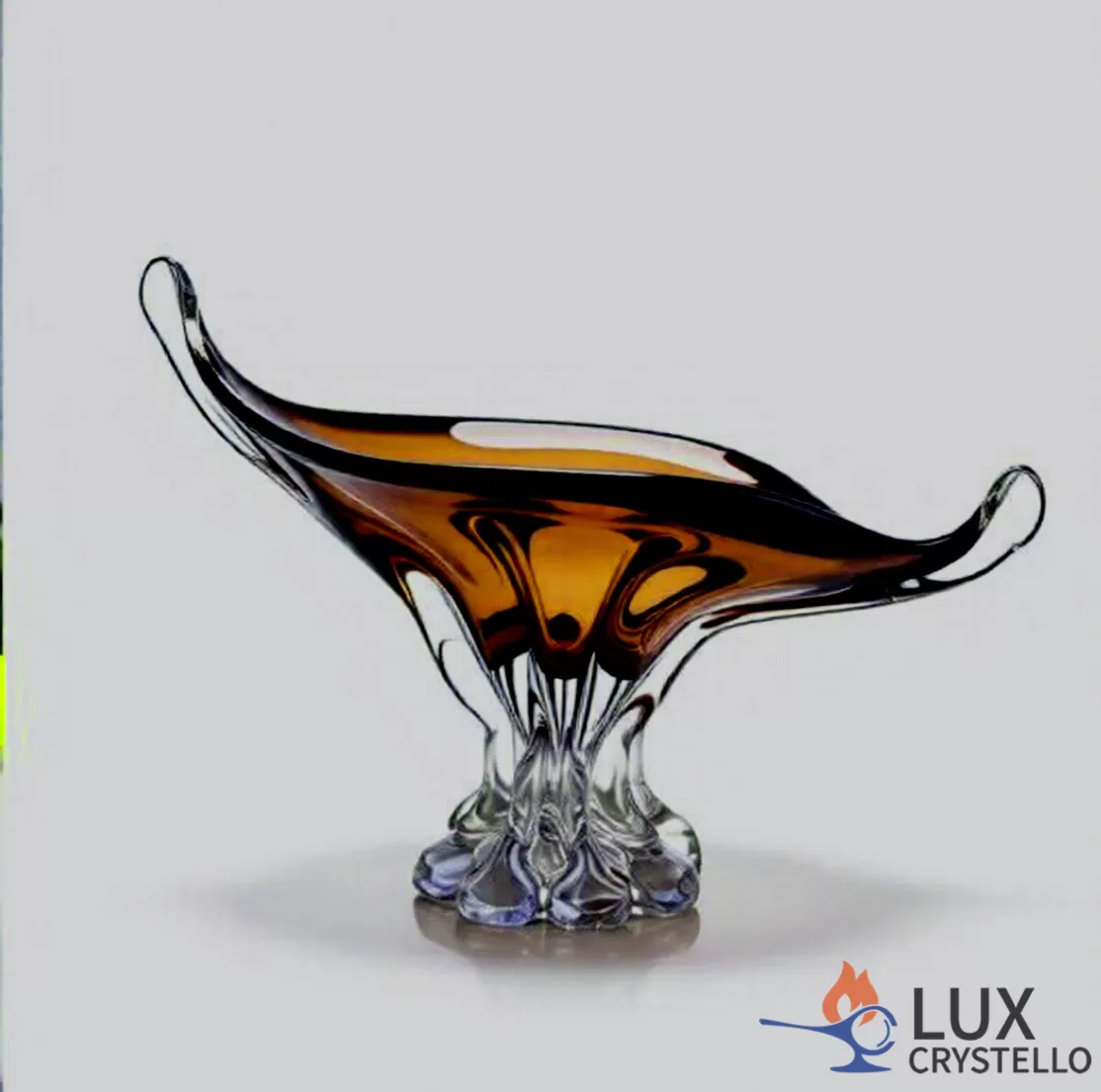
The controlled application of heat transforms raw materials into objects of beauty and function, with the lead glass forming temperature serving as the crucial bridge between material potential and artistic realization in the world of fine crystal production.
Experience Luxcrystello Precision Crystal Craftsmanship
At Luxcrystello, our master artisans meticulously monitor every lead glass forming temperature parameter to ensure each piece achieves perfect optical clarity, precise form, and structural strength. From intricate lighting designs to custom-tailored glassware collections, every creation meets the most stringent quality standards in lead crystal craftsmanship.
Discover how controlled temperature management creates timeless beauty—contact our specialist team today to discuss custom order possibilities or collaborative project opportunities.
Contact our temperature control experts to learn how our precise thermal management techniques can bring your crystal vision to life with unmatched quality and consistency.